What to Look for When Hiring an Architectural or Interior Photographer in Doha
A practical guide for architects, interior designers, and project managers, written by an architectural and interior photographer based in Doha.
Introduction
Hiring an architectural photographer is one of the last decisions in a project timeline, and often one of the least considered. By the time the space is ready, the pressure to document it quickly takes over.
But the photographer you choose will define how that project is seen by everyone who wasn't there: future clients, editorial teams, award juries, and collaborators.
This guide covers what actually matters when evaluating an architectural or interior photographer in Doha, beyond the portfolio.
1. Technical competence is the baseline, not the differentiator
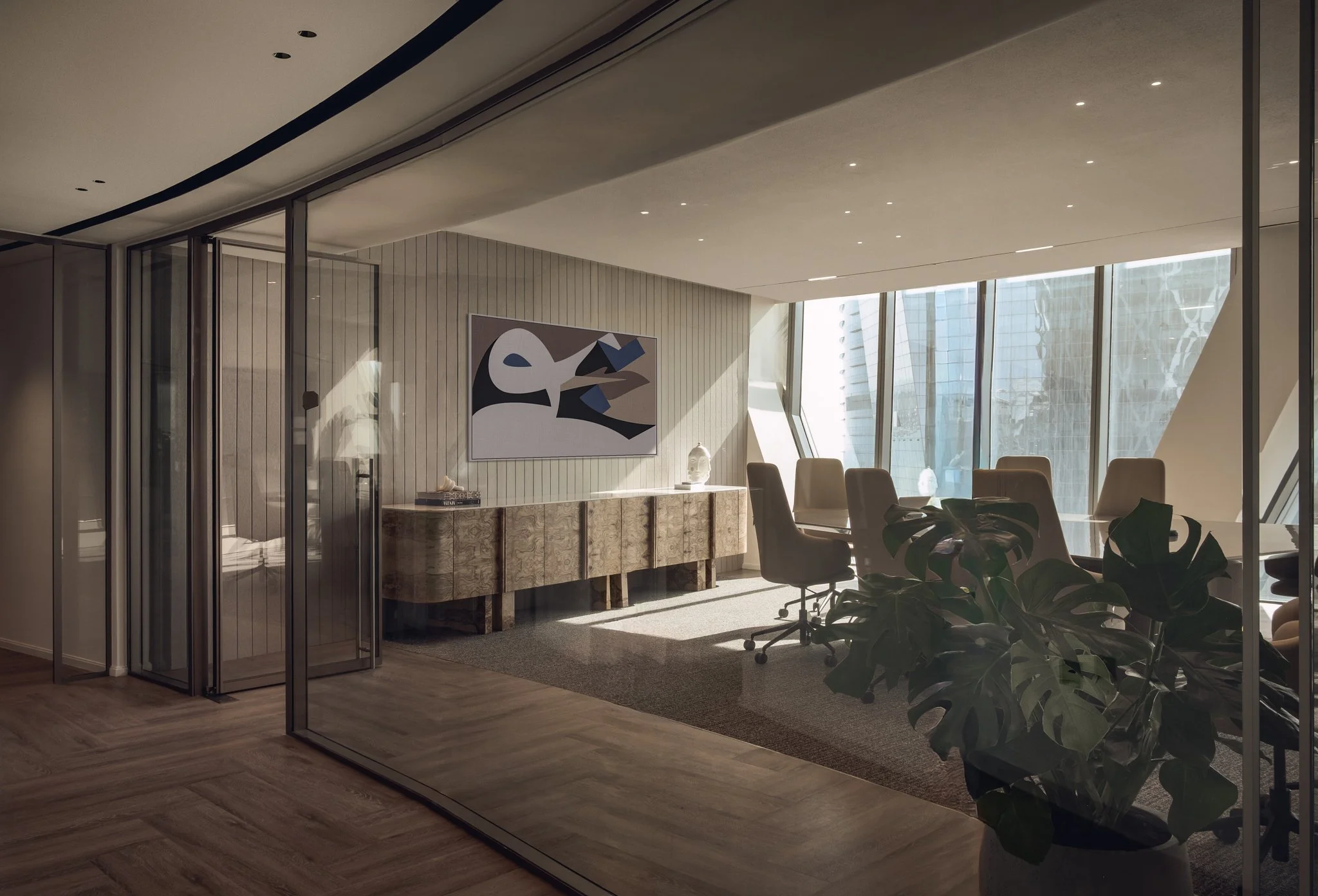
Every professional architectural photographer can operate a camera in a controlled environment. They understand exposure, they work with artificial light, they know how to correct vertical lines in post-production. That is the floor, not the ceiling.
When comparing photographers, technical competence is a given. The real differentiating factors sit above it. A portfolio that looks clean and well-exposed tells you the photographer is qualified. It does not tell you whether they understand your project.
What to look for: consistency across different types of spaces and lighting conditions. A photographer who only produces strong results in one type of environment is a technical operator. A photographer who produces strong results across hospitality, office, cultural, and residential spaces is a trained reader of space.
2. Portfolio relevance to your space
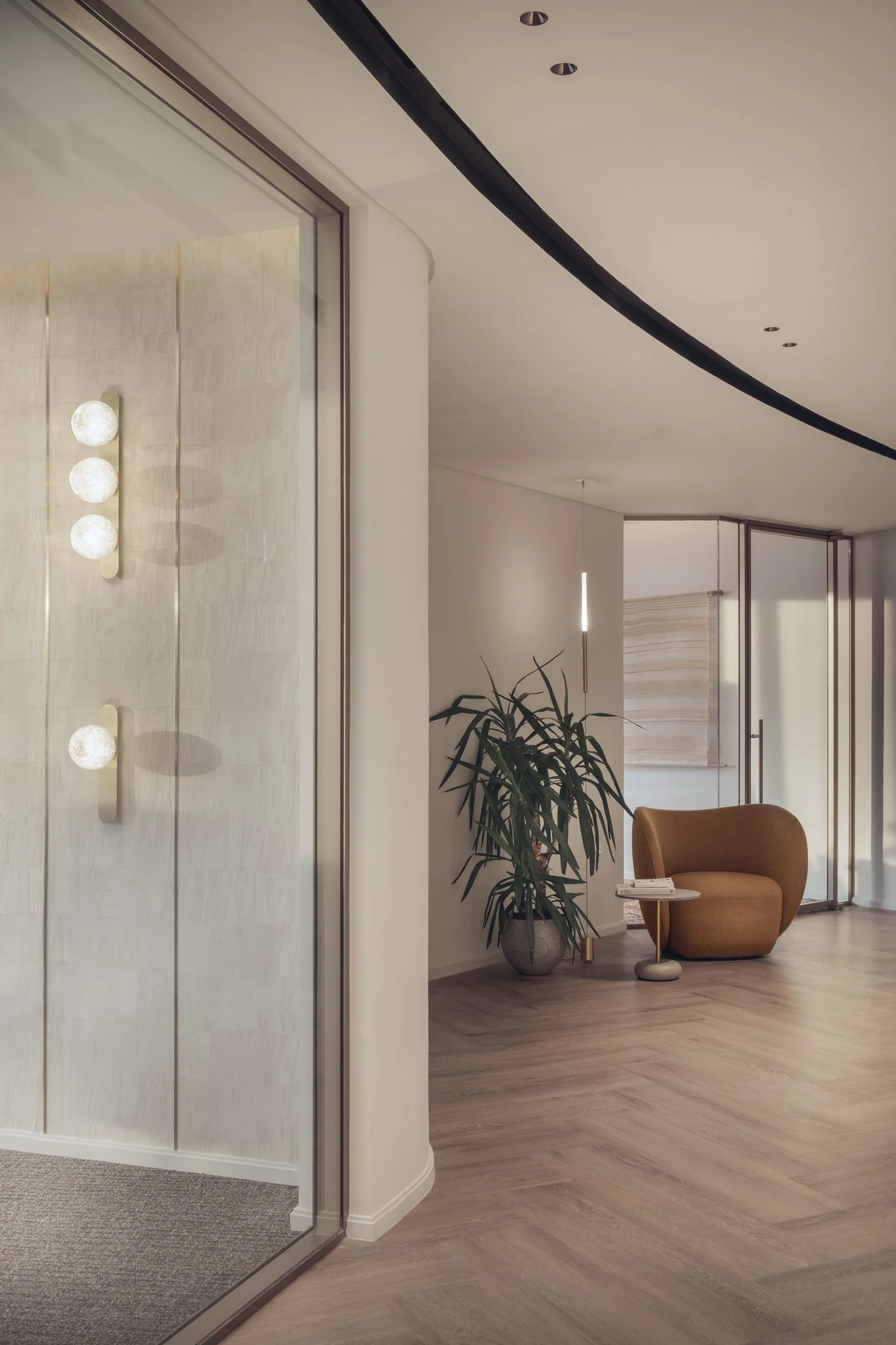
Look for images of the type of space you need documented: office, hospitality, retail or residential. A portfolio built entirely around one project type does not tell you how someone handles a different one.
It also matters how much of a photographer's current work is actually architectural or interior photography, rather than one service among many.
A photographer who specializes in it brings a different level of attention than one who offers it occasionally alongside other types of work.
3. How they read a space before they shoot it
The most important work in architectural photography happens before the camera comes out.
A photographer who understands space will arrive with questions. What is the design intent of this project? How do people move through it? Where does the light come from at different times of day? What is the hierarchy between spaces? Which moment in the sequence tells the story most clearly?
These are not photographic questions. They are spatial questions. And a photographer who cannot ask them will produce images that document a space without interpreting it.
When evaluating a photographer, pay attention to how they communicate before a shoot. Do they ask about the project? Do they request drawings or references? Do they propose a sequence or a structure for the day? These behaviors signal that the photographer thinks about space the way a designer does, not just as a visual surface, but as something with logic, intention, and experience.
The result of this approach is images that a designer recognizes as true. Not just accurate, but true to what the space was designed to do.
4. Visual references beyond the local market
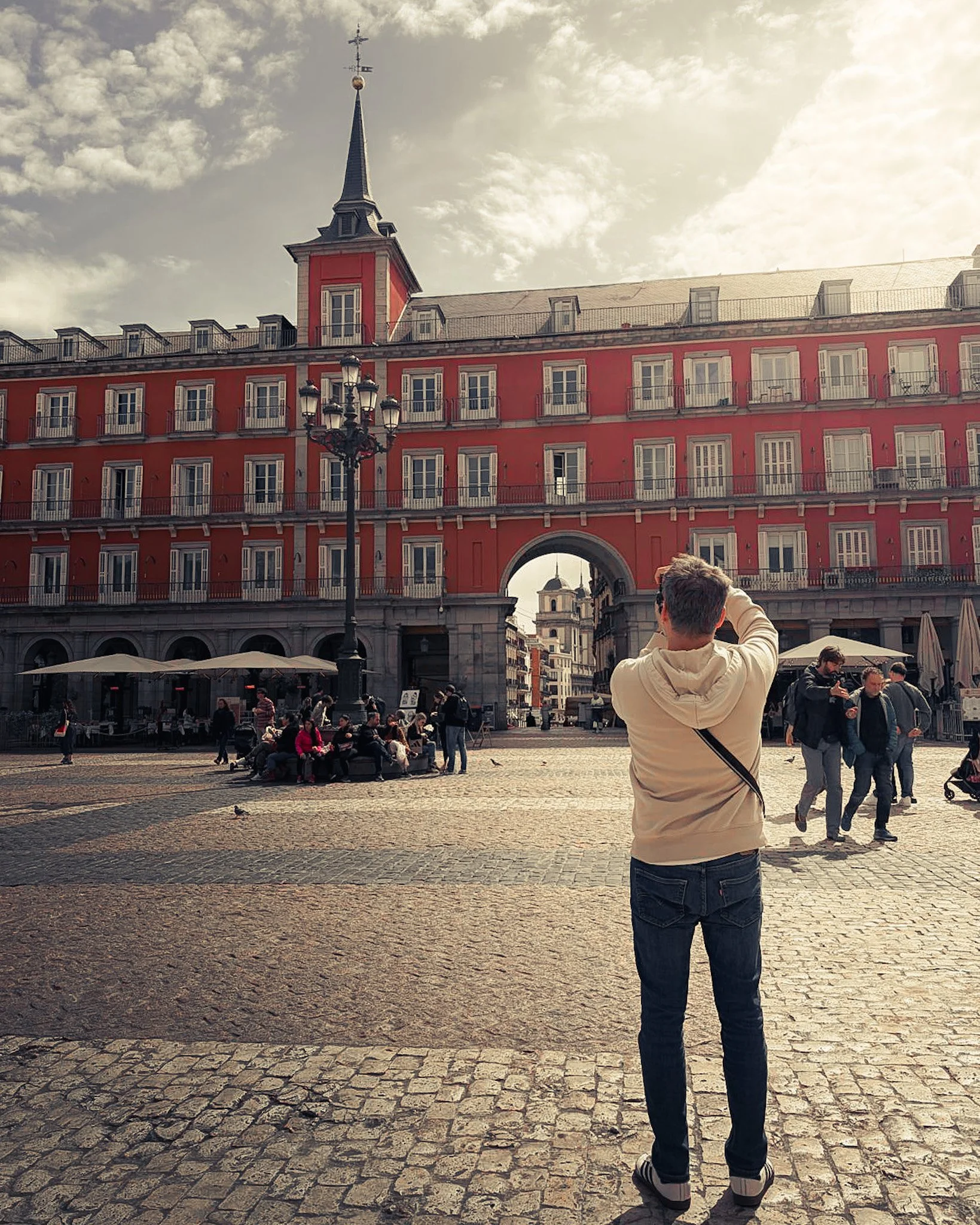
A photographer who works exclusively within one market tends to produce work that reflects that market. The references accumulate locally: the same lighting approaches, the same framing conventions, the same aesthetic register.
Exposure to different architectural contexts, different cities, different scales, different building traditions, directly expands the visual vocabulary a photographer brings to a project. This does not mean the photographer needs to travel constantly. It means that when they do, they are working: absorbing proportion, studying how light behaves on unfamiliar materials, observing how people occupy spaces they have never encountered before.
This kind of research does not produce images immediately. It produces a shift in perception that shows up later, in how a photographer positions themselves in a room or decides where a sequence should begin.
When reviewing a portfolio, look for range. Not just variety of project types, but variety of spatial sensibility. A photographer with broad visual references will bring a more considered perspective to your project than one whose entire reference base comes from the same geography.
5. Workflow and communication
Strong images come from a structured process. The photographers who consistently produce reliable results are the ones with a defined workflow, not because structure limits creativity, but because it protects the shoot from the variables that consistently undermine it.
A professional workflow typically covers three stages.
Pre-production: alignment on the project, the spaces to be covered, the sequence of the day, any access or logistics constraints, and the intended use of the images. This is also the moment to confirm technical requirements, file format, resolution, and licensing scope.
On-site: controlled capture with real-time review. The photographer should be able to show you selects during the shoot, not just deliver a week later and hope for the best. Issues with styling, light, or composition are far easier to solve while you are still in the space.
Delivery: clear timeline, organized files, and a post-production approach that is restrained and consistent. Over-processed images age quickly and often misrepresent the actual quality of a space.
Ask any photographer you are considering to walk you through their process. How they describe it will tell you a great deal about how seriously they take the work.
6. The right questions to ask before hiring
Knowing what to evaluate is one thing. Knowing what to ask is another. The questions that reveal whether a photographer understands architecture as a discipline are not generic.
They are specific to process, spatial reading, and how they handle the variables that define whether a shoot succeeds or fails.
For a complete list of questions to use in your first conversation with any architectural photographer, read Questions to Ask an Architectural Photographer Before Hiring.
Conclusion
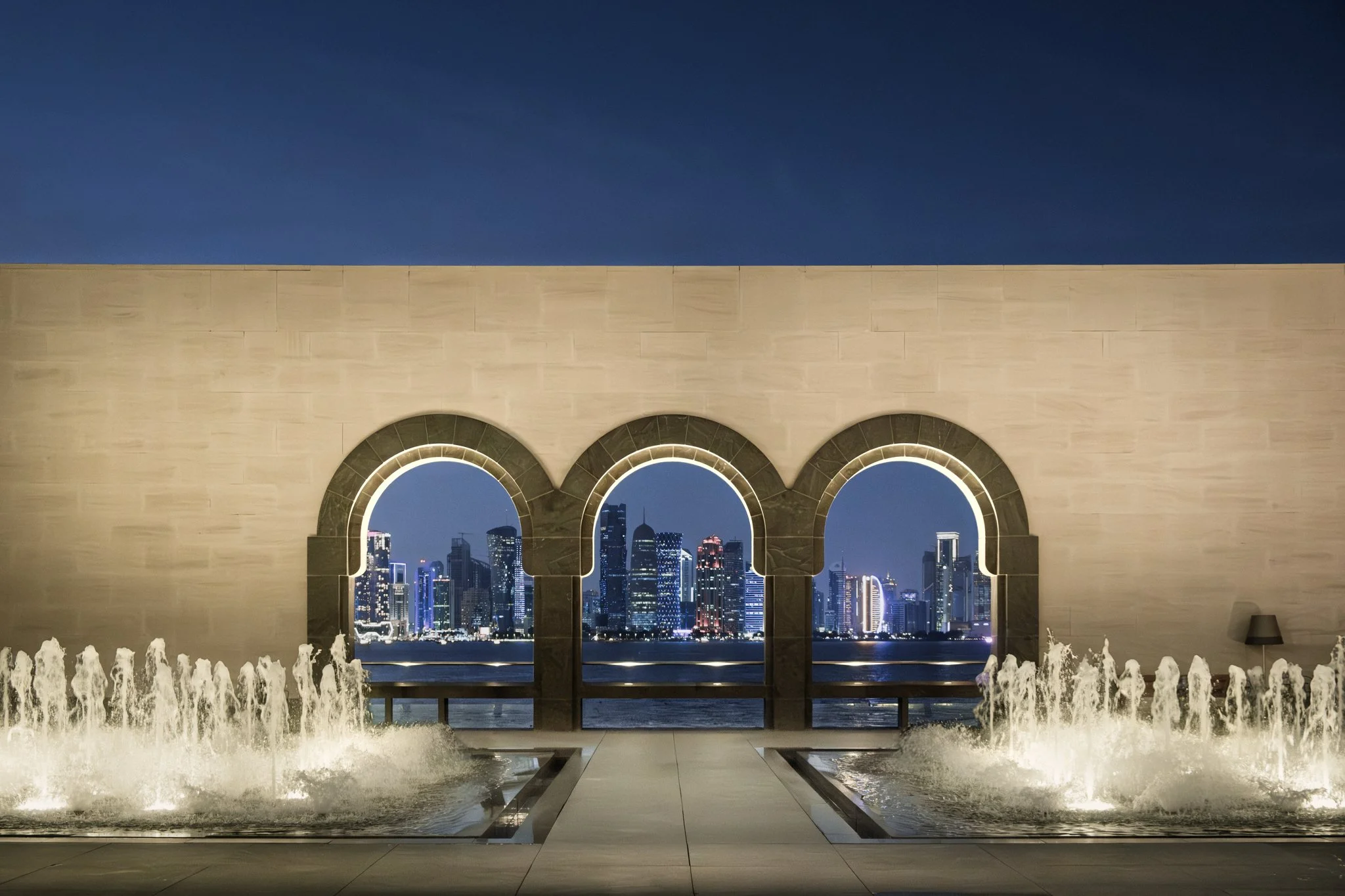
The right architectural photographer does more than produce beautiful images. They bring a spatial intelligence to the documentation of your work, one that makes your project legible to audiences who will never stand inside it.
Technical quality is expected. What you are really hiring is a way of seeing.
Once you've made your decision, see How to Work with an Architectural or Interior Photographer in Doha for what the process itself looks like, from first contact to delivery.
Pedro Ferr is an architectural and interior photographer based in Doha, Qatar, working with architects, designers, and cultural institutions across the Gulf region.View portfolio or explore photography services.
FAQ
What is the difference between architectural photography and real estate photography? Architectural photography is concerned with spatial interpretation: how a space works, how it reads, how it communicates the intent of the design. Real estate photography is primarily transactional, focused on showing the features of a property to potential buyers or tenants. The approaches, the workflows, and the results are fundamentally different.
For a complete comparison, see Architectural Photography vs Real Estate Photography: What's the Difference?
How long does an architectural photography shoot typically take? A standard commercial shoot for an office or hospitality project ranges from a half day to a full day, depending on the number of spaces and the complexity of the lighting. Cultural and institutional projects often require more time, particularly when natural light is a key element of the brief.
If you are looking for architectural photography services in Doha, you can explore what I offer here.
When should I involve a photographer in a project? Ideally before the space is finished. Early involvement allows the photographer to understand the design intent, plan the sequence, and advise on any styling or staging decisions that will affect the final images. Bringing a photographer in at the last minute limits the quality of the result.
How do I evaluate an architectural photography portfolio? Look for spatial consistency across different project types. Look for restraint in post-production. Look for images that convey how a space is experienced, not just how it looks in a single frame. And look for evidence that the photographer understands the difference between documentation and interpretation.
Can I use the images for editorial submissions and award entries? This depends on the licensing agreement. Most professional architectural photographers offer licensing packages that cover editorial, commercial, and award use. Clarify this before the shoot.
For a full explanation of what's included, see What Do Architectural Photographers Deliver? Files, Licensing, and Usage Rights.
How much does architectural or interior photography cost in Doha?
Pricing depends on the number of spaces to be covered and the length of the shoot. See full pricing for a breakdown by project type.
Working on a project in Qatar or the Gulf?
Pedro Ferr photographs architecture and interiors in Doha and across the Gulf region, for architects, interior designers, developers, and cultural institutions. If you are planning a shoot, or still deciding what you need, the quickest way to reach him is WhatsApp.