Architectural Photography vs Real Estate Photography: What's the Difference?
There is a question that comes up often among architects, interior designers and developers when putting together a brief: do they need an architectural photographer or will a real estate photographer do?
Both use a camera. Both photograph buildings and interiors. But the purpose, the approach, and the result are completely different.
What real estate photography is for
Real estate photography exists to serve a transaction.
The goal is to help a buyer or renter visualize themselves in a space. Images need to communicate: this room is bright, this kitchen is functional, this bedroom is large enough. They need to work quickly and look consistent across a listing.
The technical approach follows from that goal. Wide-angle lenses make rooms appear larger. Exposure is pushed to keep interiors as bright as possible. Post-processing is standardized and fast. A real estate photographer can document a property in a few hours and deliver a full set the next day.
This works well for its purpose.
What it does not do is communicate design.
What architectural photography is for
Architectural photography exists to communicate design intent.
The audience is not a home buyer. It is an architect building their portfolio, an interior design firm documenting a completed project, a developer positioning a building for a specific tenant profile, a hospitality brand documenting a newly opened hotel or restaurant, or a brand that needs images for a publication, award submission, or client presentation.
The question being answered is not "can I live here?" It is "is this design worth studying?"
That requires a completely different approach.
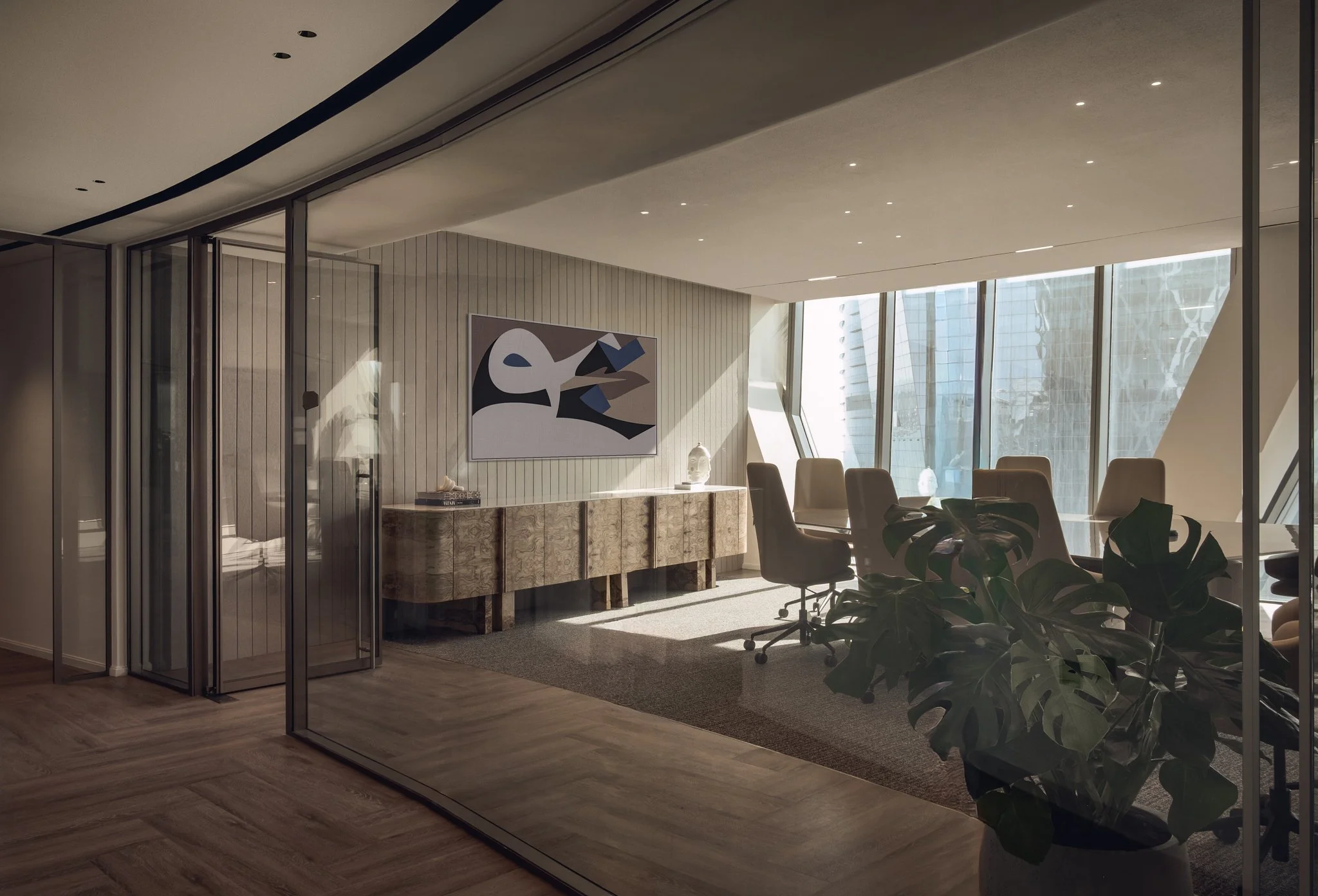
An architectural photographer reads a space before photographing it: understanding how the designer intended light to move through it, which angles reveal the logic of the plan, where the materiality is most precise. They work with the existing light or complement it carefully. They choose lenses that represent proportions and geometry accurately, without the distortion that makes wide-angle real estate shots feel exaggerated. They approach post-production with restraint, because the goal is to show the building as it is, not to make it look more appealing than it is.
The result looks different because it starts from a different question.
The difference in practice
A real estate photographer and an architectural photographer will stand in the same room and see different photographs.
The real estate photographer looks for the shot that makes the room feel largest and brightest. The architectural photographer looks for the shot that shows why the room was designed this way.
One is selling a property. The other is documenting a design decision.
This difference appears in every technical choice: lens selection, time of day, how shadows are handled, how much of a space is included in a frame, what happens in post-production. Real estate photography typically uses ultra-wide lenses in the 10–16mm range, heavy HDR processing, and brightness adjustments that flatten the space. Architectural photography uses tilt-shift lenses or carefully corrected perspectives, works in specific light conditions, and preserves the tonal range and shadow detail that give a space its character.
The images also serve different audiences for different lengths of time. Real estate images are seen during a listing period. Architectural images appear in publications, client presentations, award submissions, and portfolio pages for years.
For an example of what this looks like in practice, see the White & Case office interior project.
When you need which
You need a real estate photographer when you are selling or renting a property and need images that support that transaction quickly.
You need an architectural photographer when:
You are documenting a completed project for your portfolio
You are submitting work for a design award
You are pitching a new client and need images that represent the quality of your work accurately
A developer or brand needs imagery for a publication, campaign, or investor presentation
You are a hospitality brand documenting a hotel, restaurant, or resort opening
The quality of the space is the point, and the photography needs to reflect that
A note on investment
Architectural photography costs more than real estate photography. This reflects the difference in preparation time, hours on site, and the depth of post-production. It also reflects the difference in what the images do: real estate images support a single transaction. Architectural images support a practice, a reputation, and a portfolio over years.
For architects, interior designers, and developers whose work depends on how their projects are perceived, the cost of the wrong type of photography is higher than the cost of the right one.
FAQ
Can a real estate photographer do architectural photography?
The equipment overlaps, but the approach does not. An architectural photographer is trained to read design intent and communicate it through the image. A real estate photographer is trained to make a space feel accessible and sellable. Some photographers do both, but they require a different mindset and a different set of skills. The results usually make the difference visible.
Is architectural photography only for large or high-budget projects?
No. Architectural photography is relevant for any project where the quality of the design is what matters, whether that is a renovated apartment, a boutique office interior, or a landmark cultural institution. The scale of the project matters less than the intent behind the images.
What is the difference between architectural photography and interior photography?
The terms are often used interchangeably, and there is significant overlap. Interior photography tends to focus on the quality of a finished space, including furniture, materials, and styling. Architectural photography tends to engage more with the structure, the spatial sequence, and the relationship between the building and its context. In practice, most architectural photographers work across both.
How do I know which type of photographer to hire?
The simplest test: what will the images be used for? If they are going into a property listing, hire a real estate photographer. If they are going into a portfolio, a publication, an award submission, or a client presentation, hire an architectural photographer. For a fuller breakdown by project type, office, hospitality, retail, museum, and more, see What Kind of Photographer Do You Need?
What questions should I ask before hiring an architectural photographer?
See the full guide: Questions to Ask an Architectural Photographer Before Hiring.
For a broader look at what to evaluate before hiring, see What to Look for When Hiring an Architectural Photographer.
Already made your decision? See How to Work with an Architectural or Interior Photographer in Doha for what happens next, from first contact to delivery.
If you are an architect, interior designer, hospitality brand, or developer in Qatar, Dubai, or across the Gulf looking to document a project, see services or get in touch.