Architectural Photography at Qatar National Library
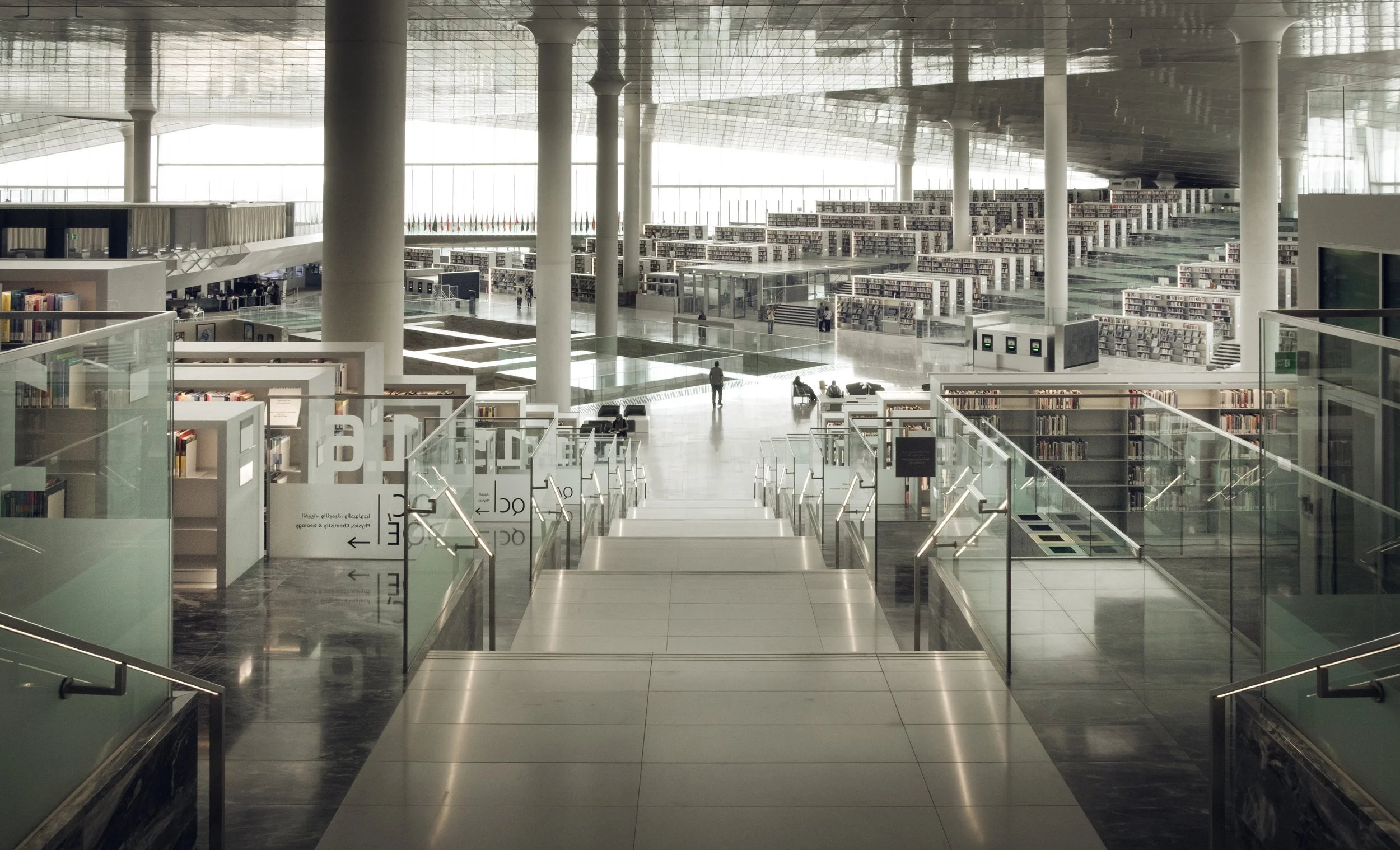
The Qatar National Library (QNL), designed by OMA, is one of Doha’s most significant architectural landmarks.
It is a space defined by movement, shifting scales, and a constant dialogue between massive volumes and open voids.
As an architectural photographer based in Doha, my challenge was to translate the physical experience of the building into a cohesive visual narrative.
Here's how I approached the technical decisions and compositional strategies used to capture the essence of this Rem Koolhaas masterpiece.
1. Deciphering Scale: Capturing Large-Scale Interiors at QNL
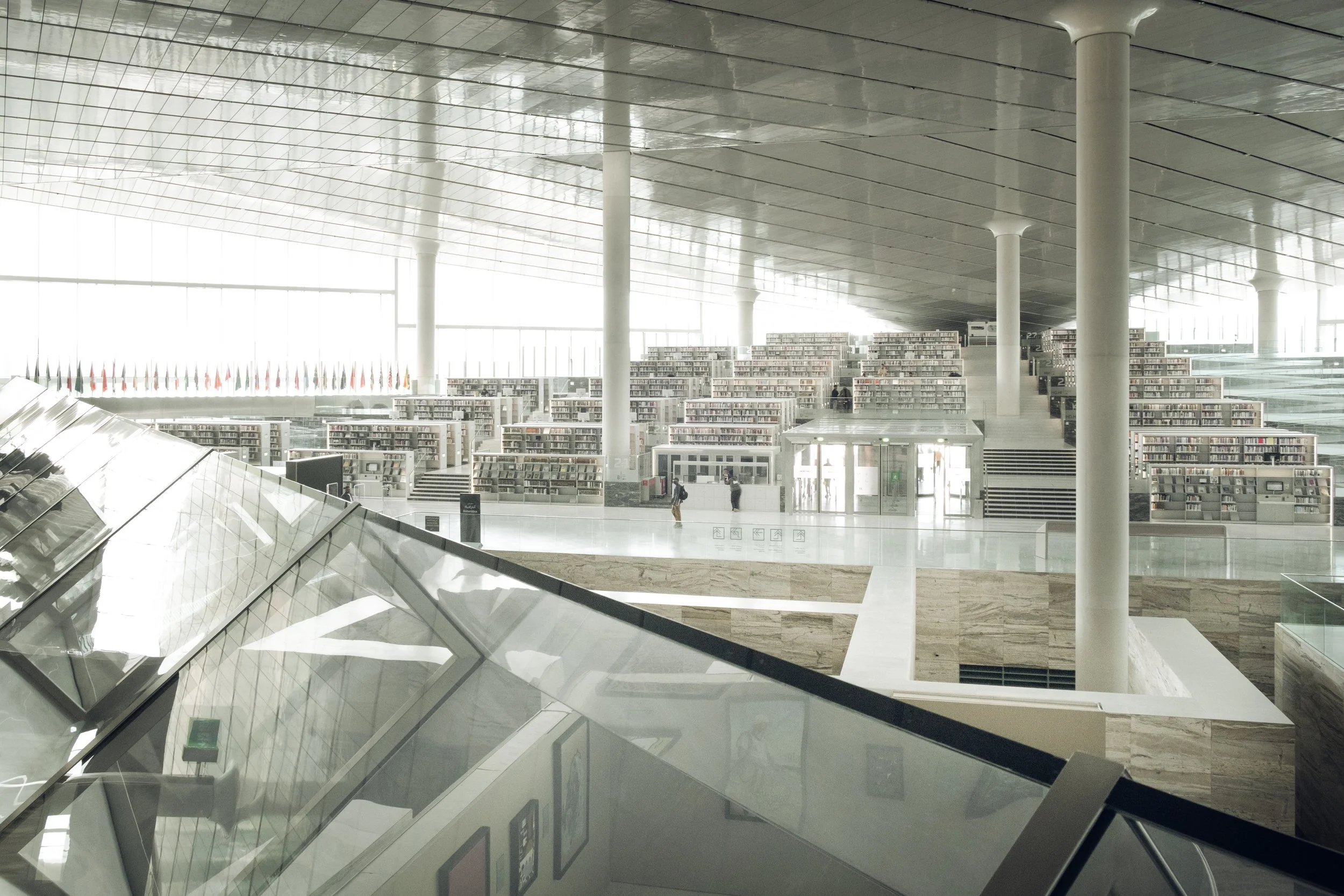
The first challenge inside QNL is the sheer volume.
It’s easy for a camera to lose the sense of depth in such a vast interior.
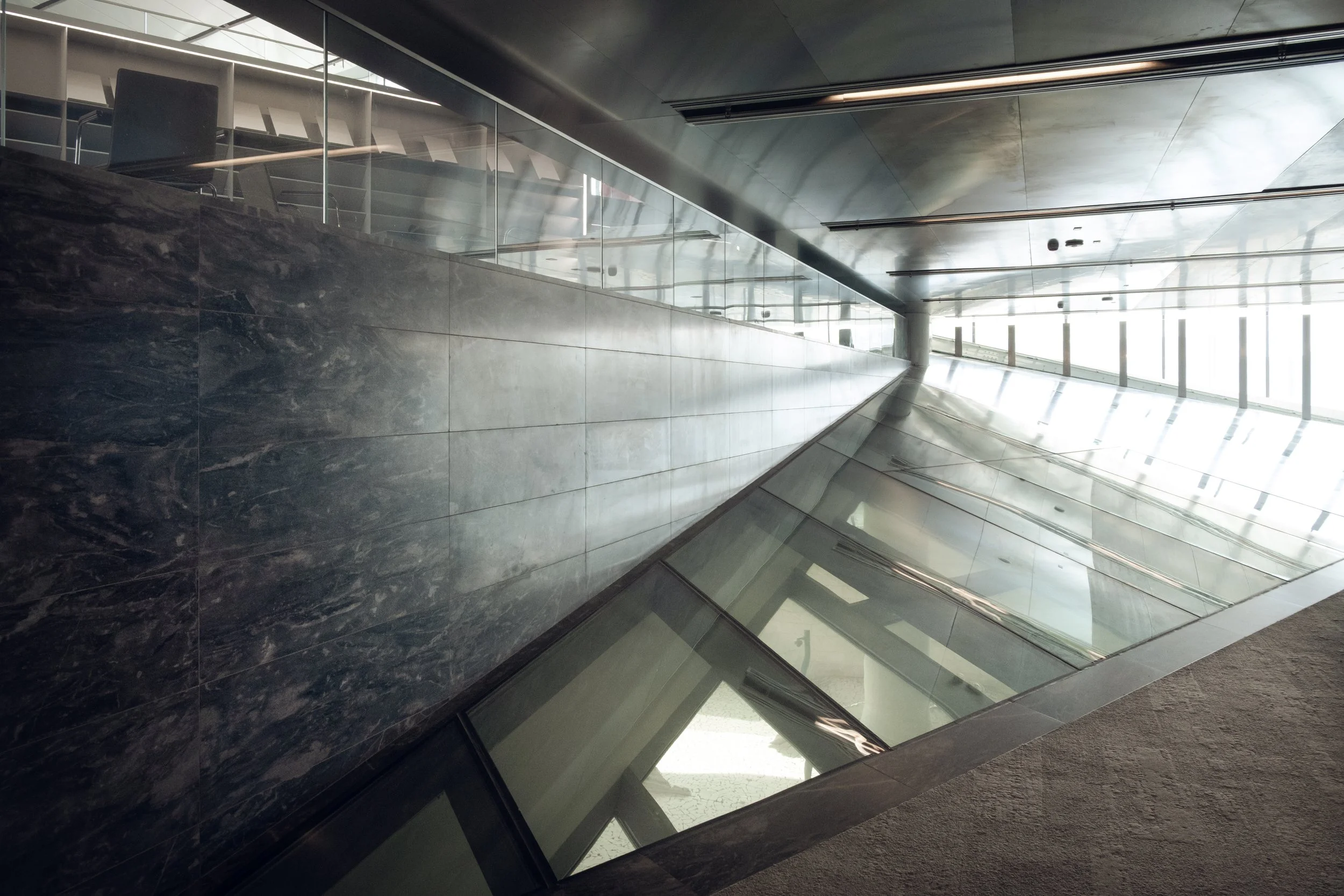
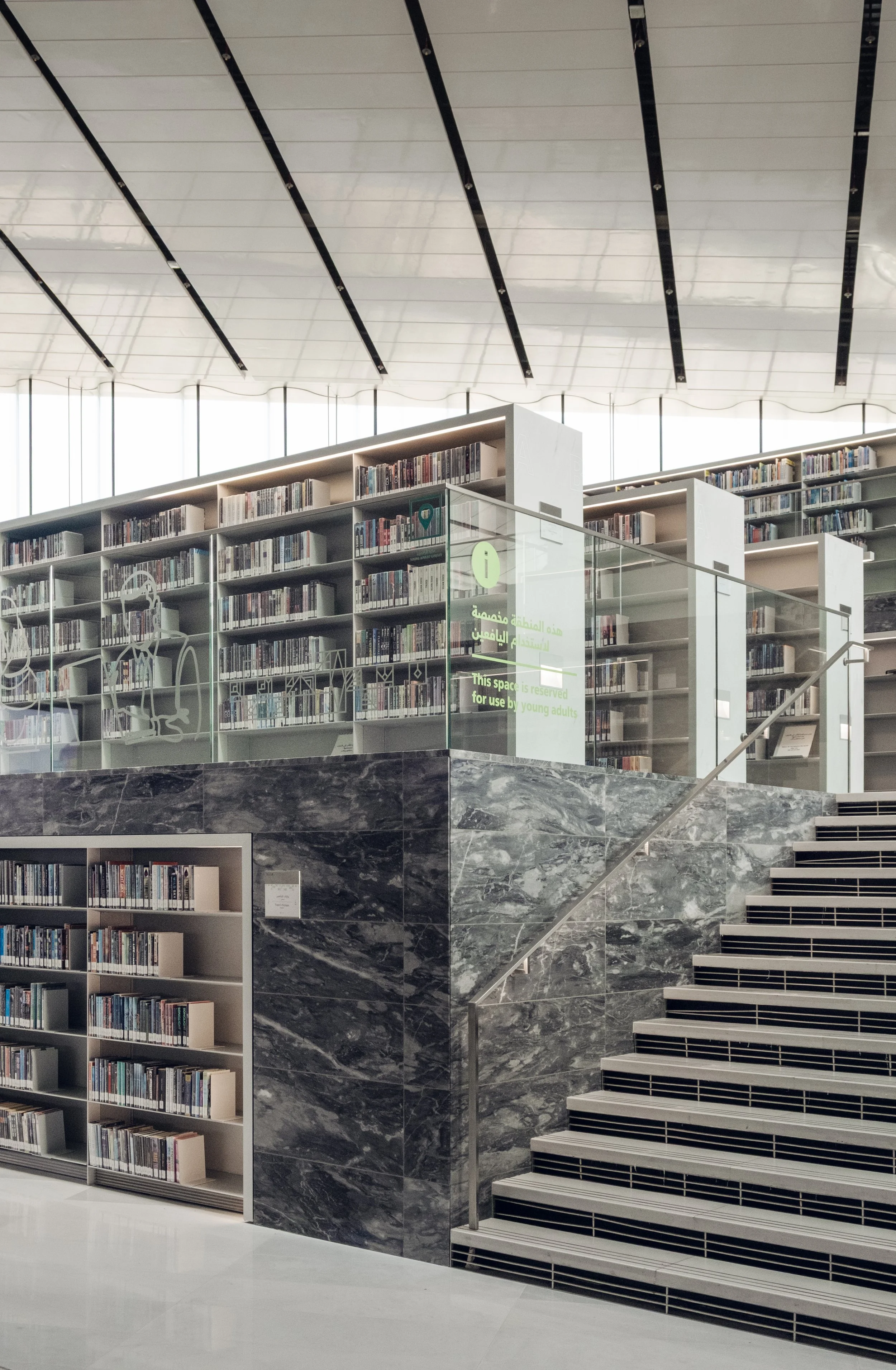
My Process: I looked for layers. By using the bookshelves, marble platforms, and bridges as foreground elements, I was able to break the space into "readable" segments.
The Result: Instead of flat wide-angle shots, the images show a sequence of planes that guide the viewer’s eye from the immediate detail to the distant glass facades.
2. Mastering Natural Light in Modern Architectural Photography
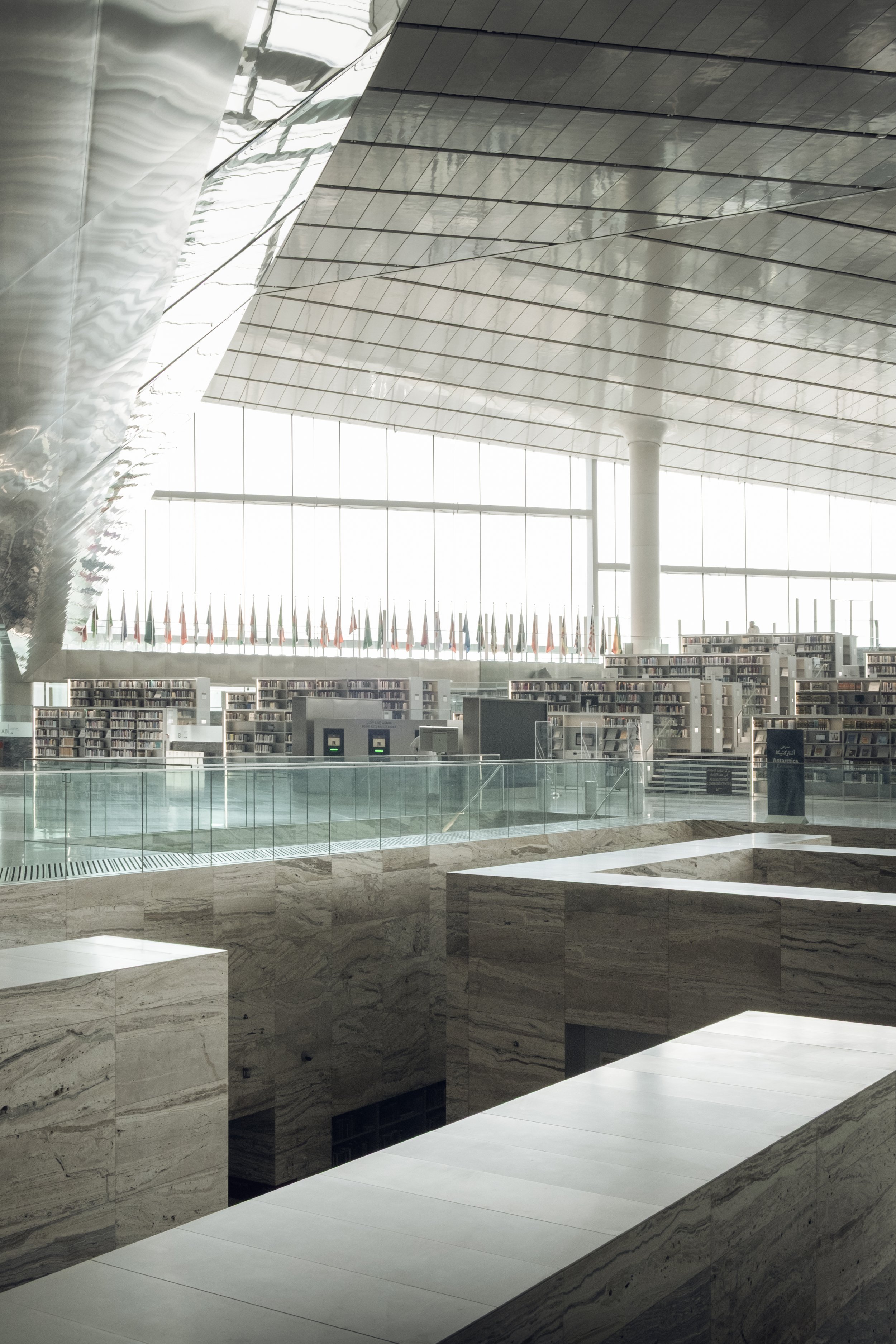
However, at the Qatar National Library, the light is intentionally diffused and even.
It really defines the space.
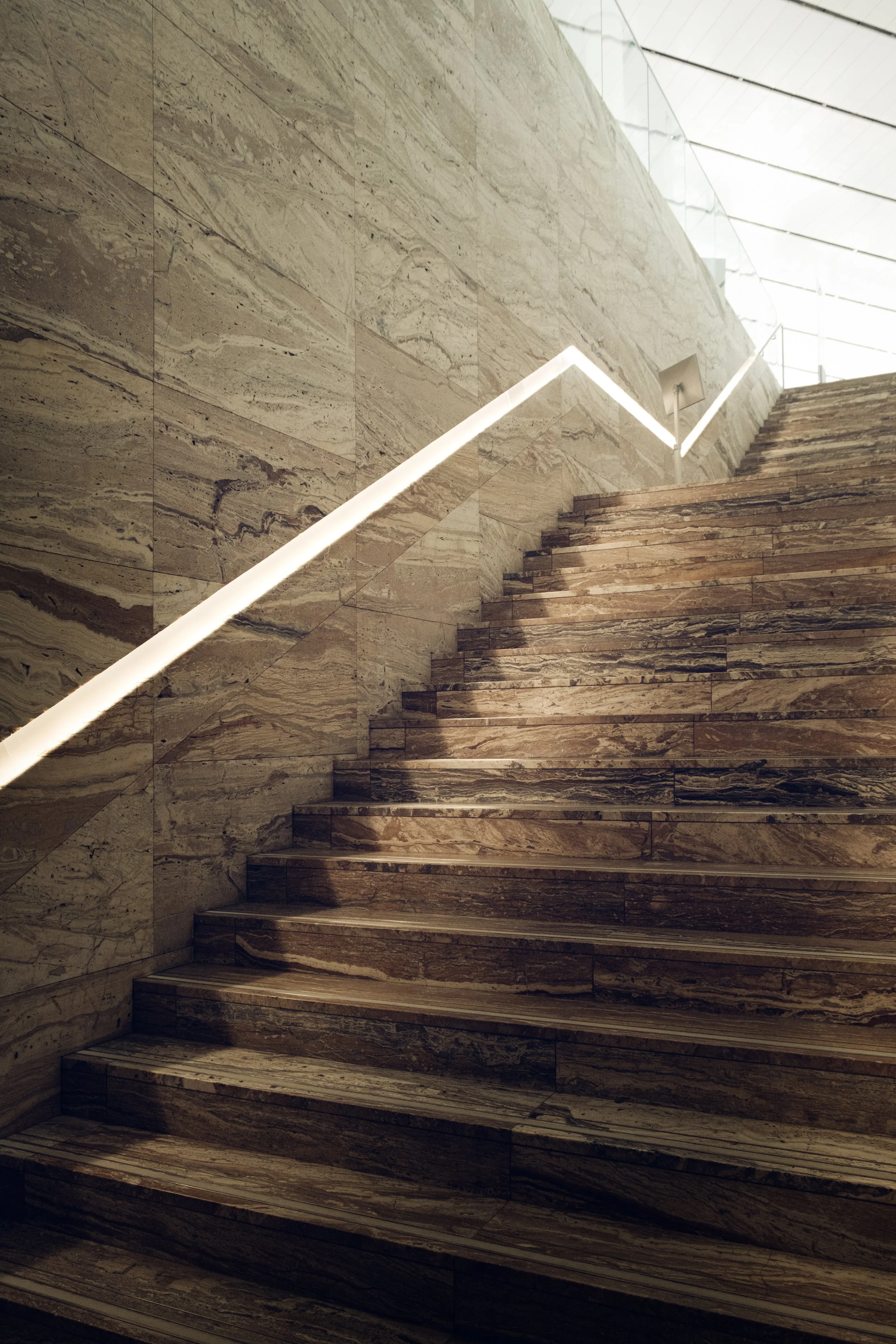
Handling the Exposure: My priority was to maintain detail in both the bright ceilings and the deeper marble textures, a standard approach in my commercial photography. I opted for a clean, consistent exposure that respects the building's natural luminosity.
The Visual Choice: I chose to highlight how light reveals the geometry of the stone and the rhythm of the shelves without letting shadows overpower the architectural intent.
3. Composition Techniques: Finding Rhythm in OMA’s Geometry
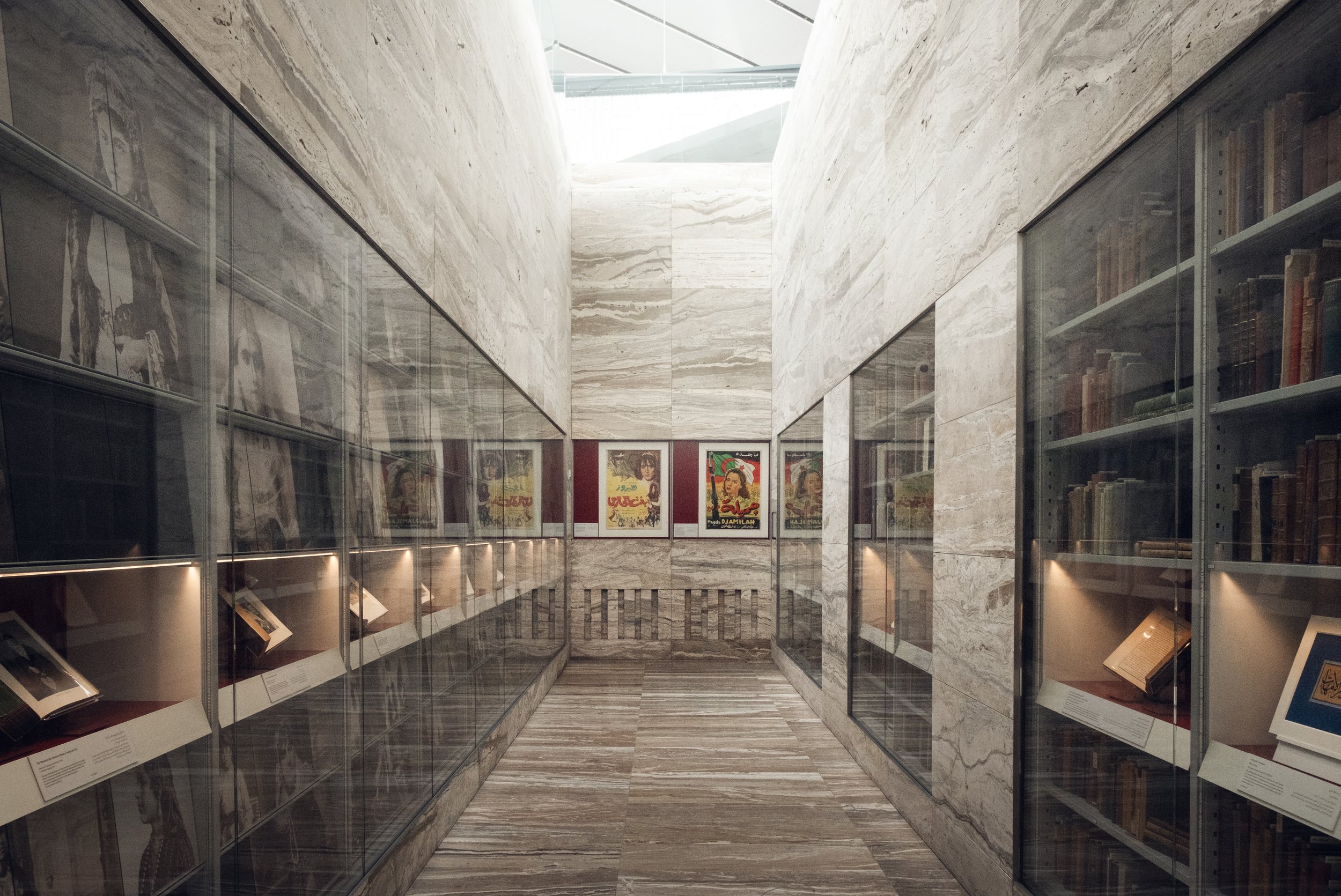
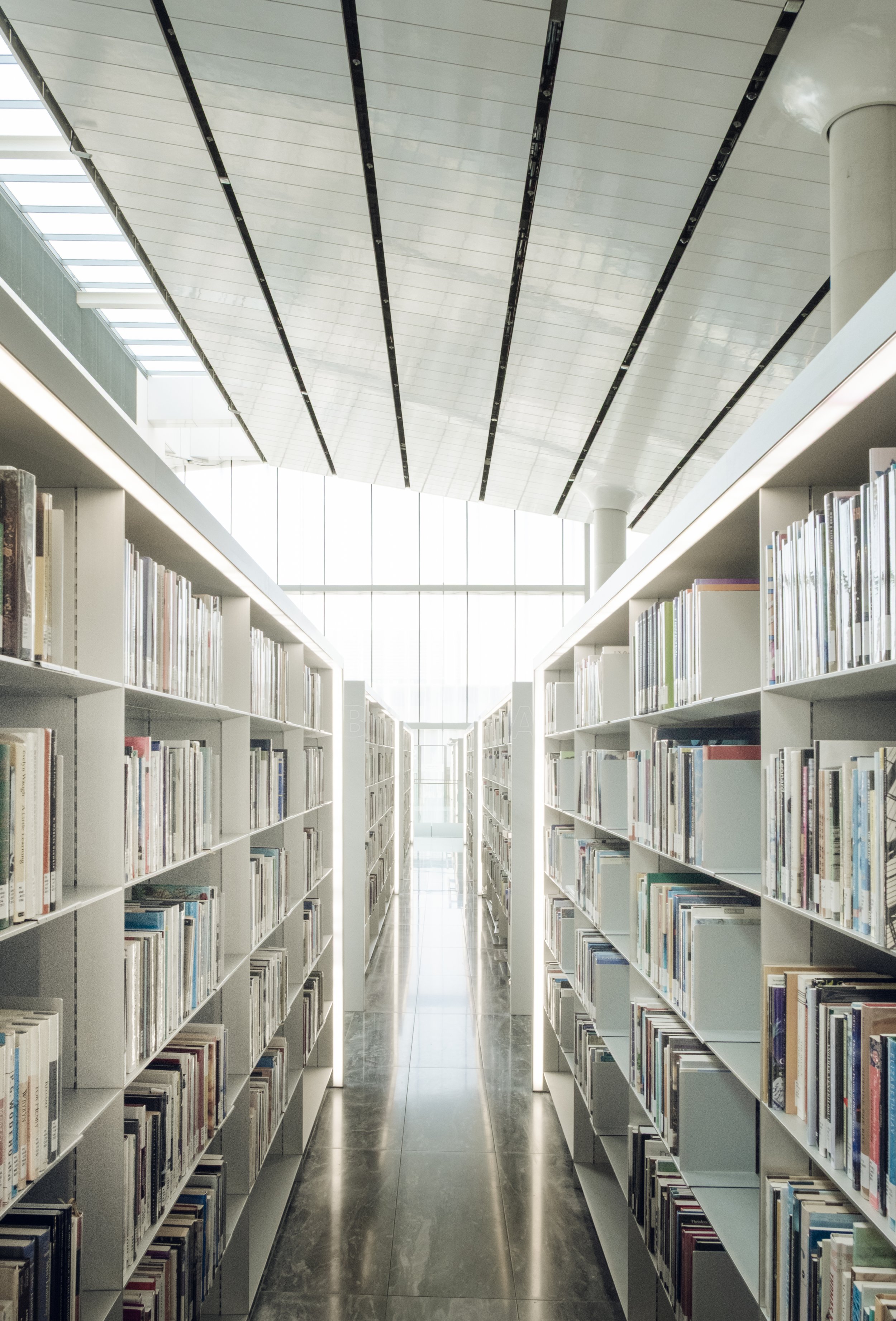
The visual strength of Rem Koolhaas's design lies in its repetition.
During my shoot, I became fascinated by the lines created by the shelving systems and the circulation paths.
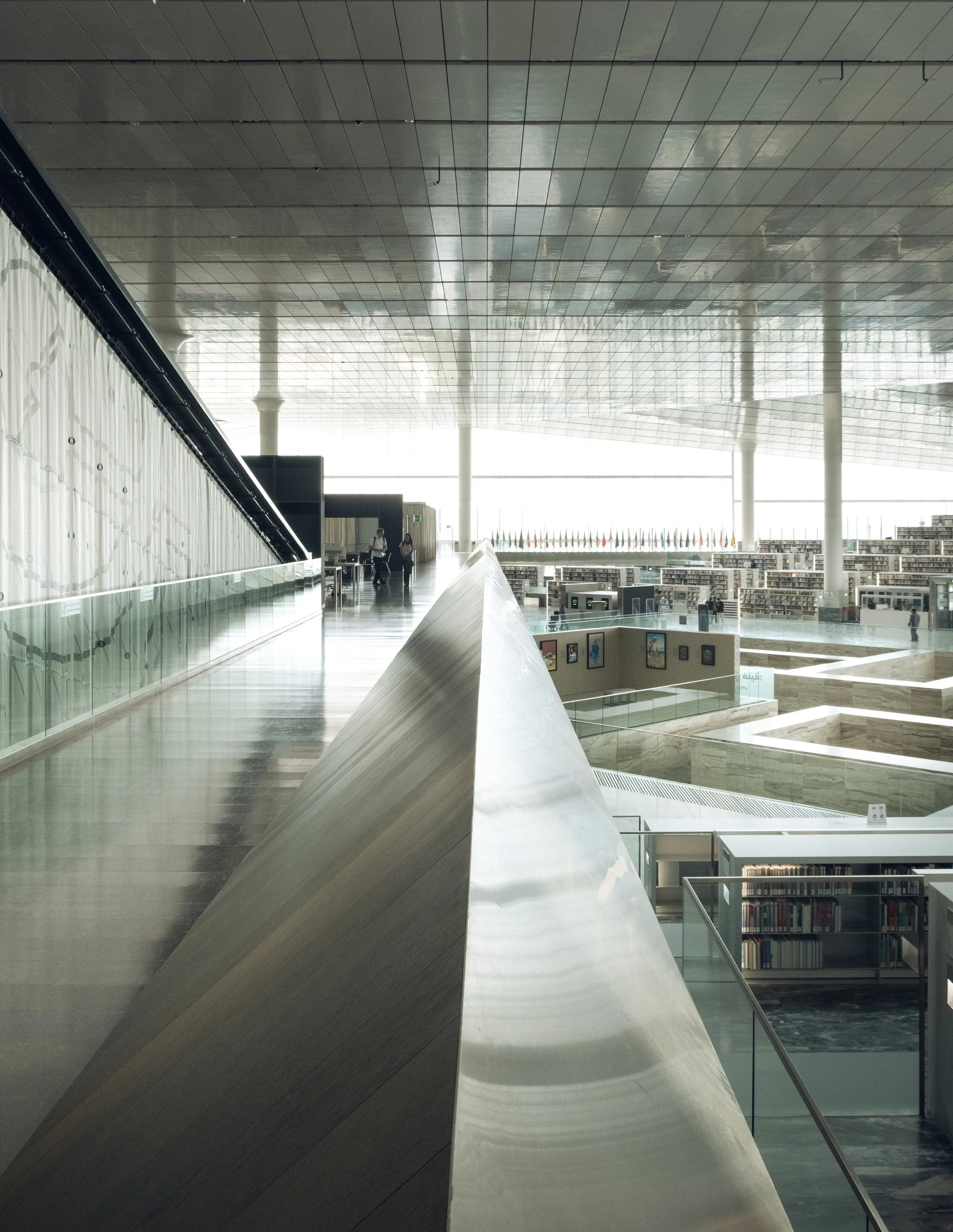
Compositional Strategy: I focused on tight alignments and symmetry. By isolating specific structural patterns, I wanted to show that even in a monumental building, there is a quiet, mathematical rhythm.
Geometric Precision: I used the diagonal perspectives of the library’s terraces to create a sense of movement, ensuring that every line led the eye to a specific point of interest.
For technical drawings and more perspectives on the building's structural engineering, you can view the project profile on ArchDaily.
4. Using Human Presence to Showcase Architectural Proportion
Even when I photograph interiors without people as the main subject, their presence is vital for understanding magnitude, a principle I also explored in depth while photographing Msheireb Downtown Doha, where human scale plays a central role in reading urban space.
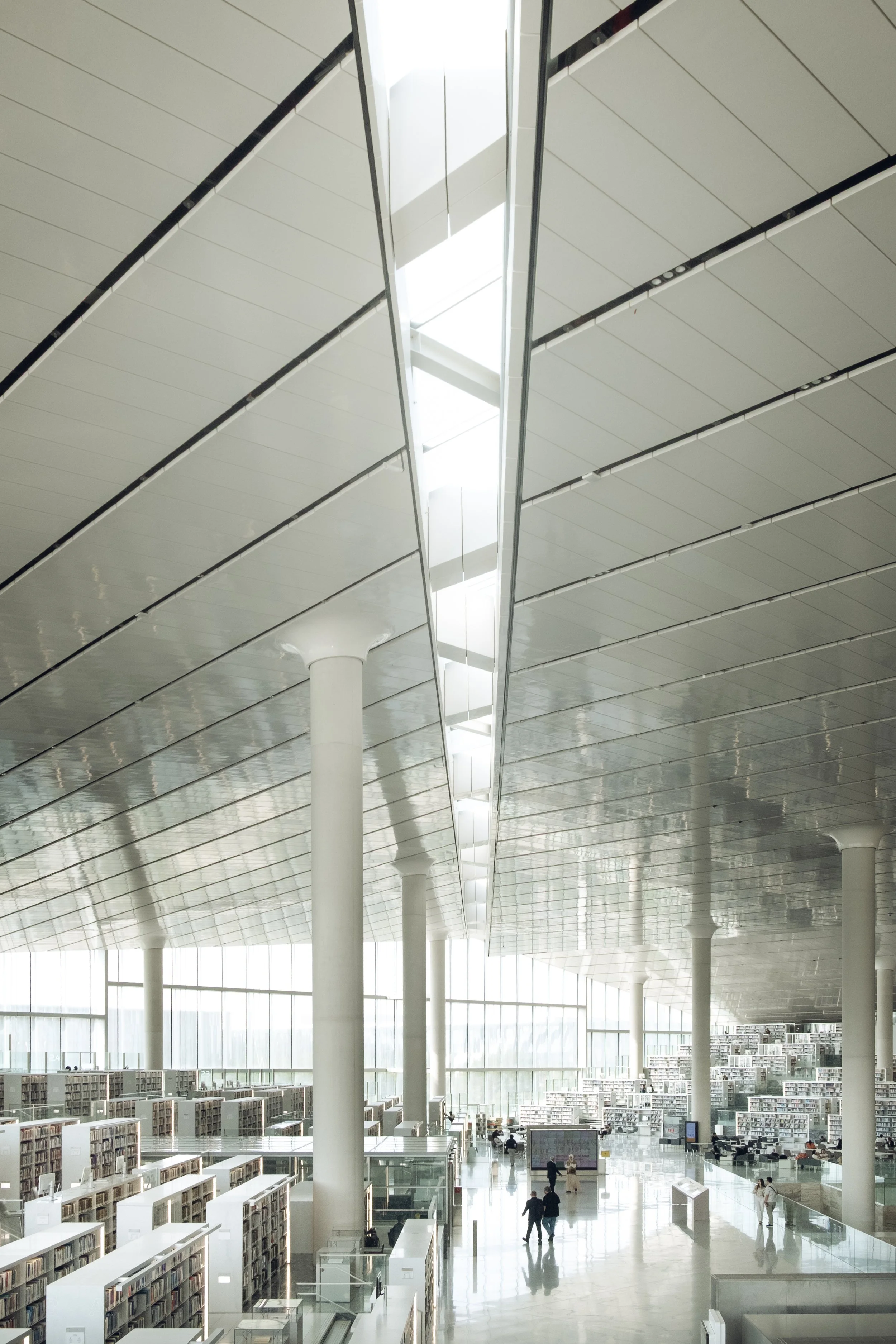
Scale Reference: I waited for individuals to move into specific areas. They aren't the subjects of the photo, but "measuring sticks" that reinforce how monumental the architecture truly is.
Balancing Anonymity: Keeping the figures small and integrated into the landscape allows the viewer to imagine themselves in the space, grounding the grand architecture in real-world use.
Final Reflections
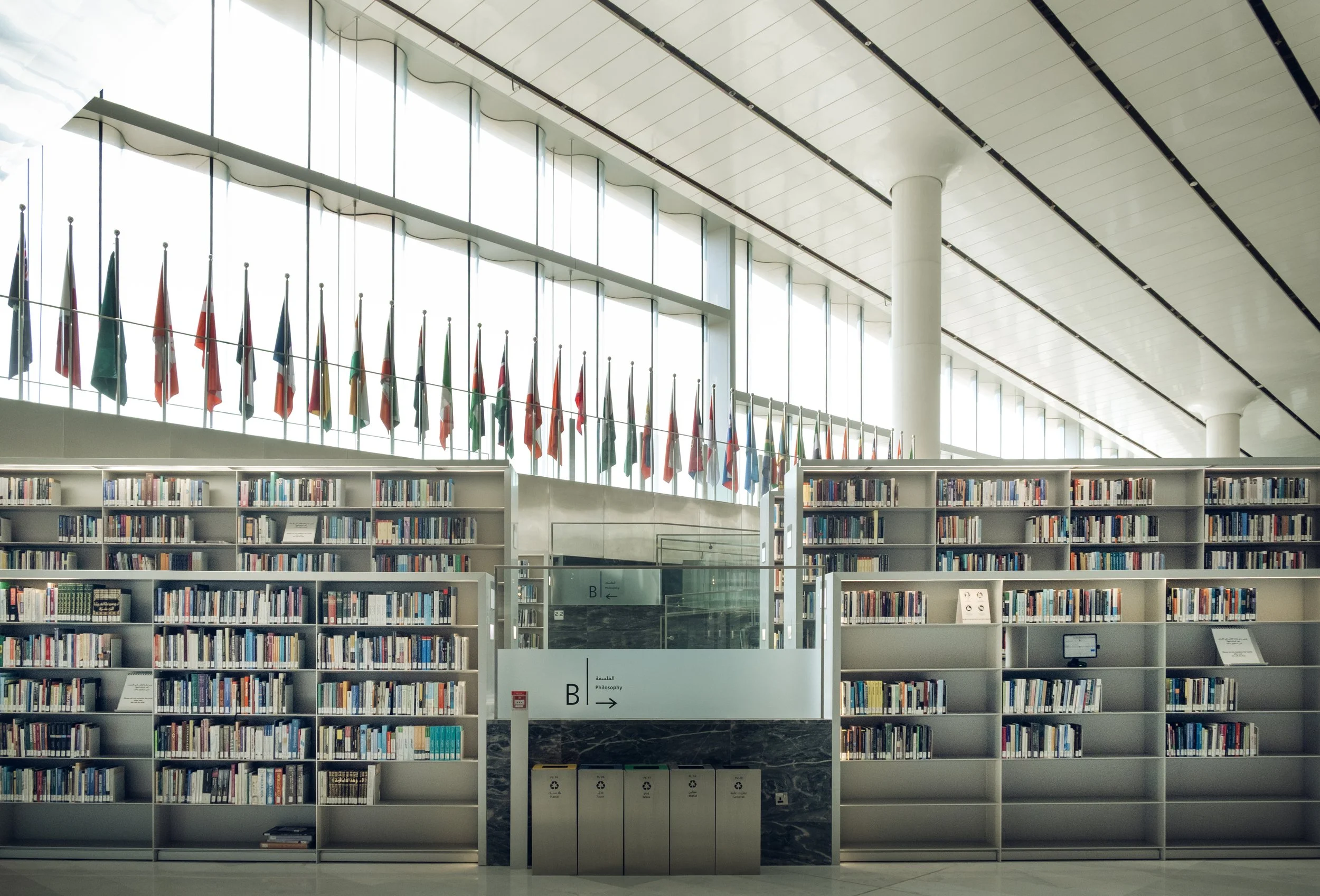
Photographing the Qatar National Library was an exercise in restraint.
The building doesn't need "spectacle" from the photographer; it needs clarity and patience.
By focusing on light, rhythm, and proportion, I tried to translate a complex spatial experience into a cohesive visual narrative.
Are you looking for professional architectural photography in Qatar?
Explore my services or contact me to discuss how we can document your next project with this same level of detail.
If you have questions about my process, feel free to check my FAQ or reach out.
FAQ: Qatar National Library Documentation
How do you translate OMA’s complex geometry into a 2D image?
The challenge at QNL is the vast interior void. I use a layering technique—positioning bookshelves, marble platforms, and bridges as foreground elements—to break the space into readable segments. This ensures the final image conveys the true depth and structural complexity intended by the architects.
How do you preserve the natural luminosity of the marble without overexposing the glass facade?
The library features diffused, even light that defines its stone textures. My technical priority is maintaining a clean, consistent exposure that respects this natural light. By balancing the bright ceilings with the deeper marble textures, I ensure the visual narrative remains faithful to the building’s atmospheric intent.
Why is human presence essential for documenting a monumental space like QNL?
In such a massive structure, people serve as "measuring sticks." They aren't the subjects of the photo, but their presence is vital for understanding proportion and magnitude. This allows architects and developers to showcase how the grand design interacts with its primary users in a real-world context.
How does a project like this assist architects with project submissions?
High-end architectural photography is a key asset for design award submissions and international publications. By focusing on geometric precision, rhythmic alignments, and spatial clarity, I provide the level of technical documentation that editorial boards and award juries expect from top-tier projects in Doha.