Msheireb Downtown Doha. Urban Design, Climate, and Light.
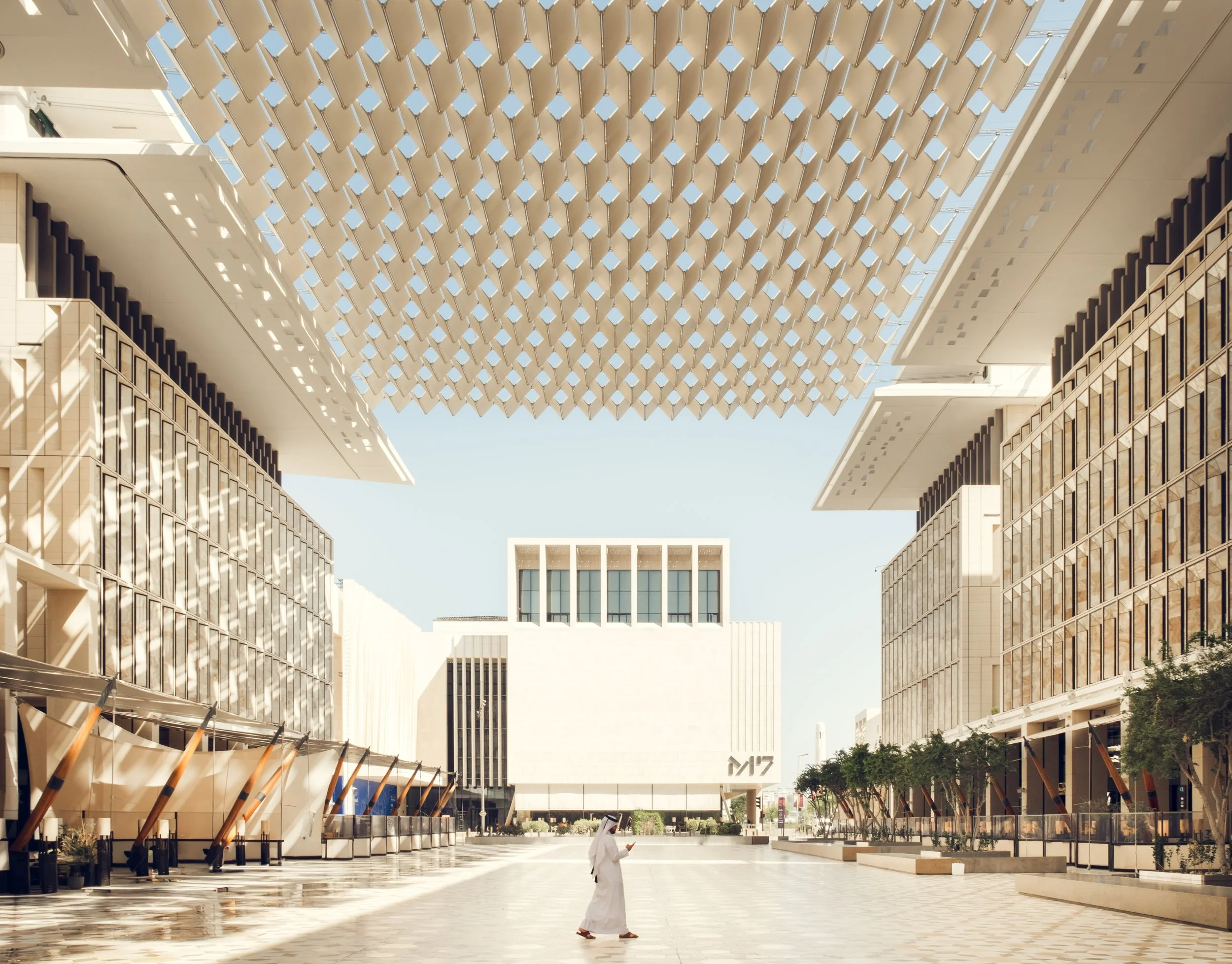
This case study looks at Msheireb Downtown Doha from the perspective of urban design, climate response, and pedestrian experience, through the lens of architectural photography.
Msheireb Downtown Doha is a contemporary urban regeneration project located in the historic center of the city.
The district was designed as a compact, walkable neighborhood, adapted to the local climate and rooted in Qatari architectural identity.
This photographic case study observes how these principles materialize through space, light, and daily use.
Urban concept and design rationale
The masterplan of Msheireb Downtown Doha is based on the idea of a dense, mixed use, pedestrian oriented city.
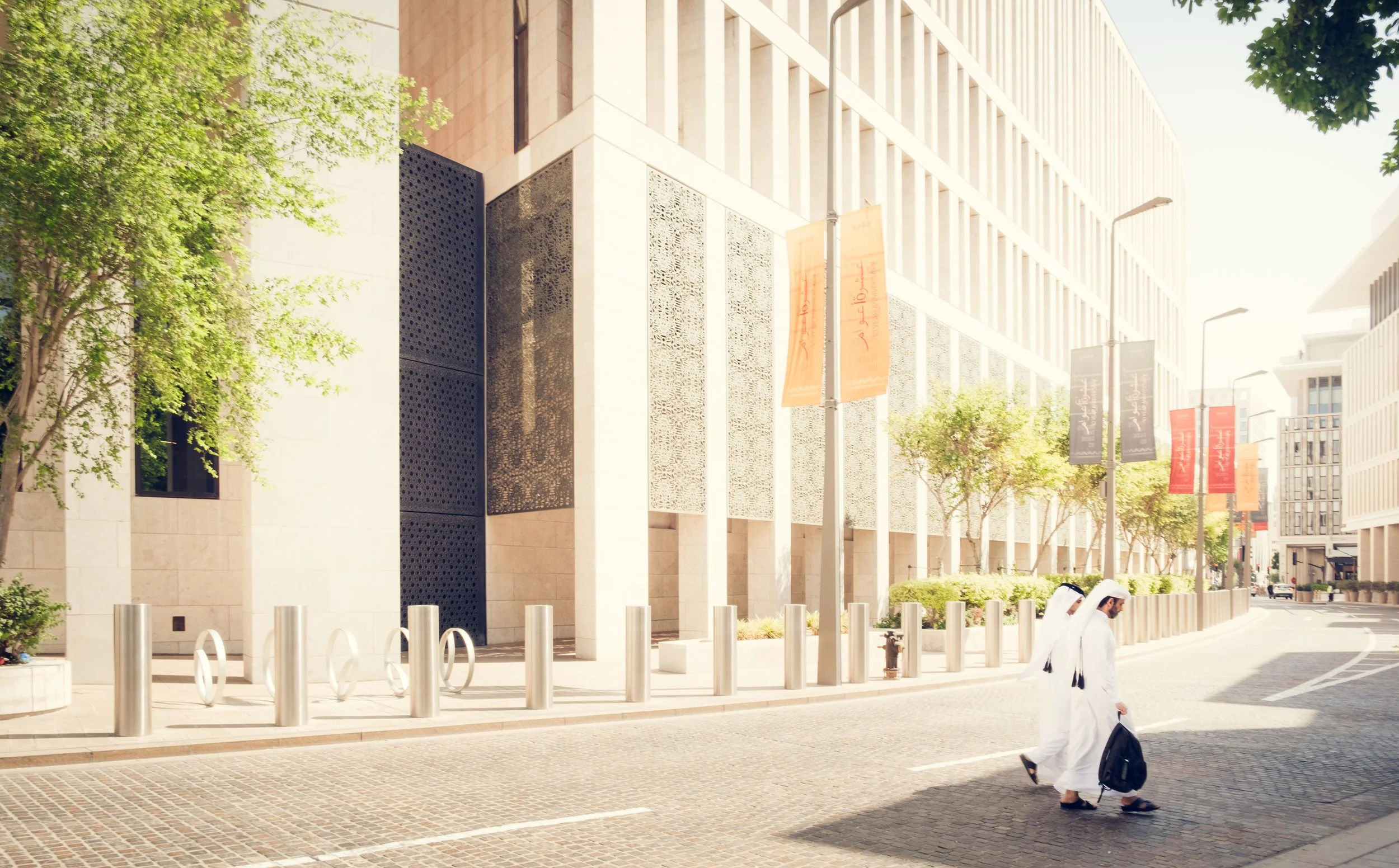
Residential, commercial, cultural, and public functions are integrated within a continuous urban fabric inspired by traditional Qatari urbanism.
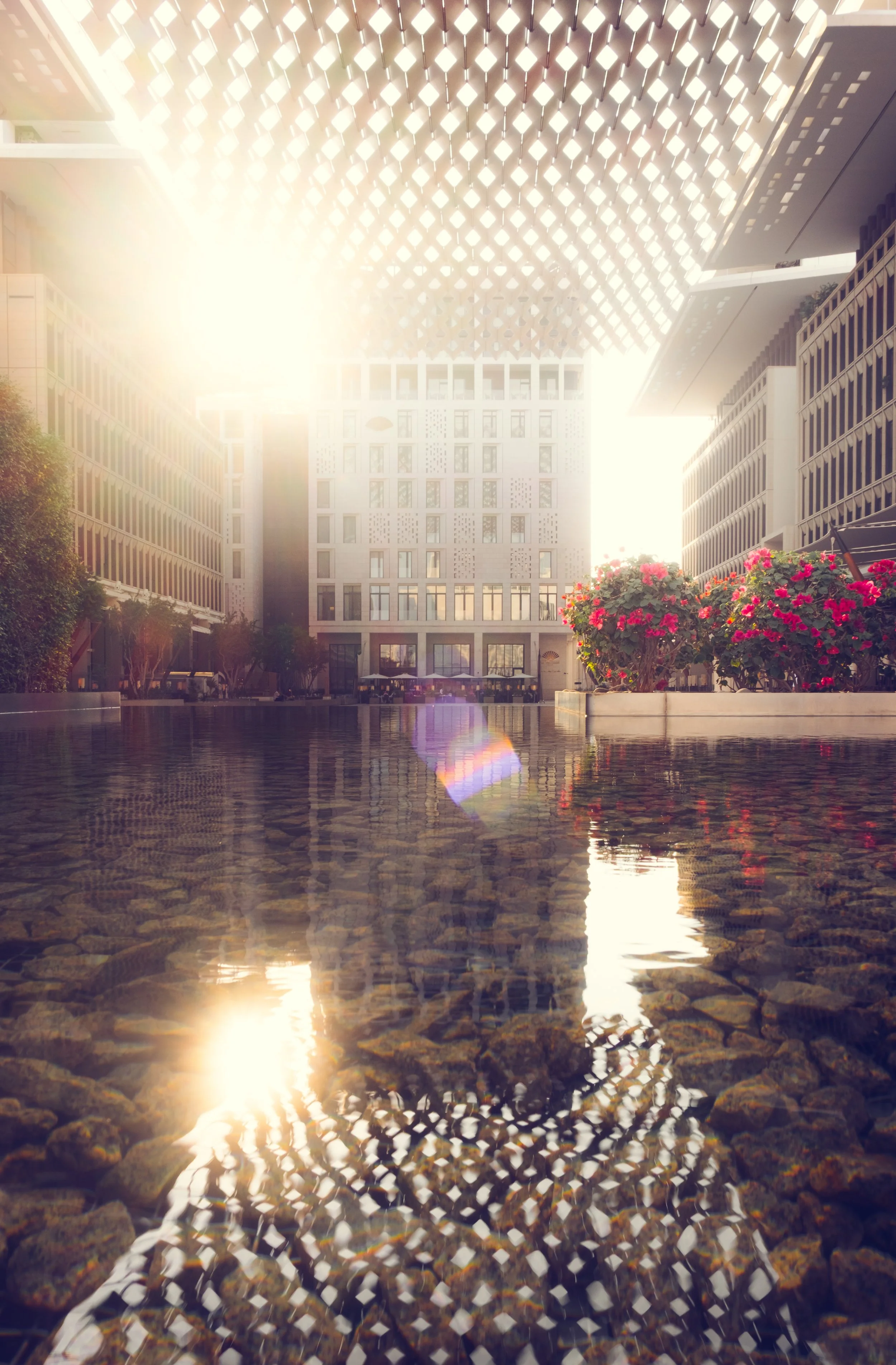
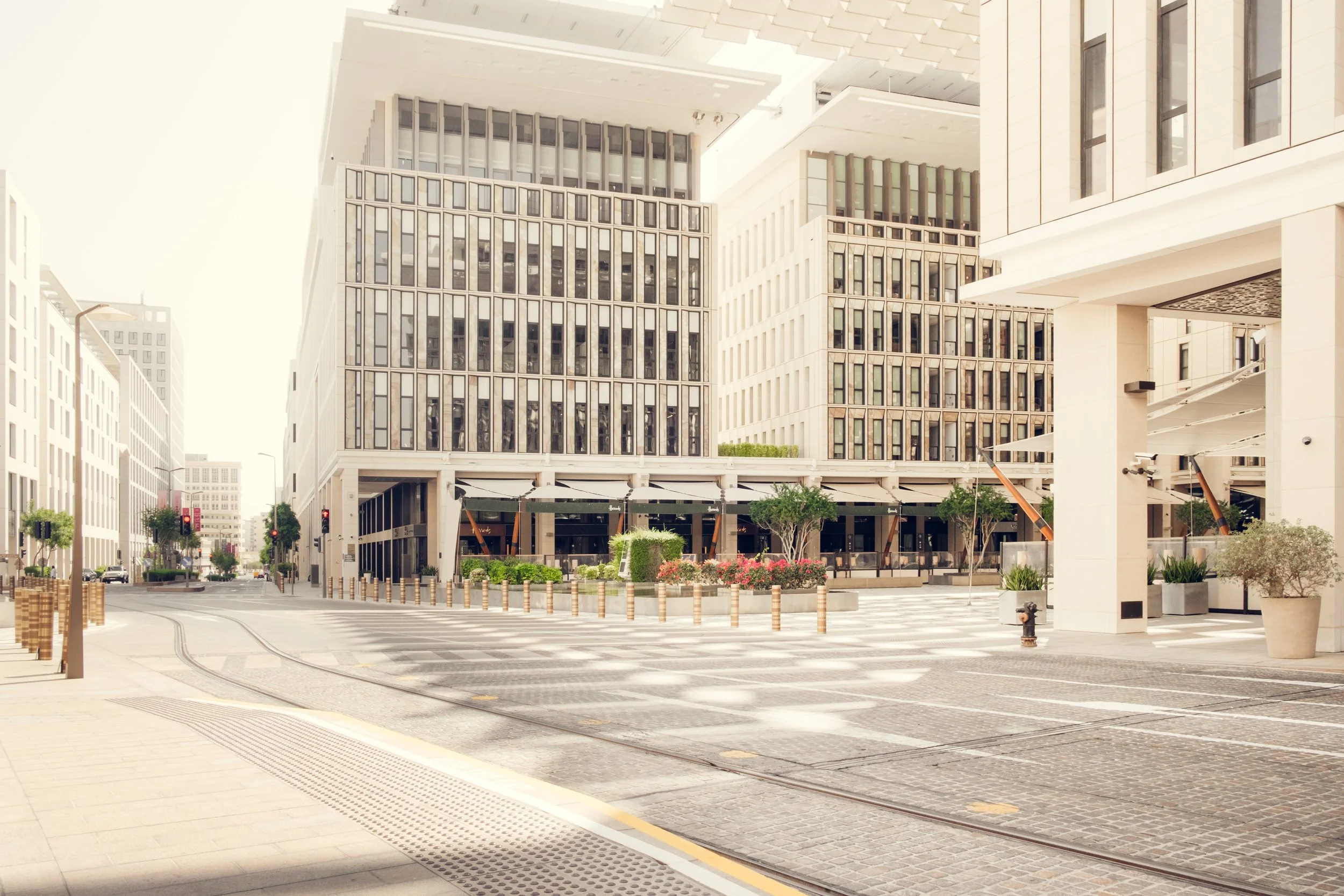
Narrow streets, controlled building heights, shaded walkways, and light colored façades respond directly to the harsh climate.
According to the official project description, the goal was to reduce car dependency and create a human scale environment adapted to walking and outdoor life.
Official project source: https://www.msheirebproperties.com/msheireb-downtown-doha/about-msheireb-downtown-doha/master-plan/
Urban overview: https://en.wikipedia.org/wiki/Msheireb_Downtown_Doha
Photographic approach
This photographic work follows the logic of the urban system rather than isolating individual buildings.
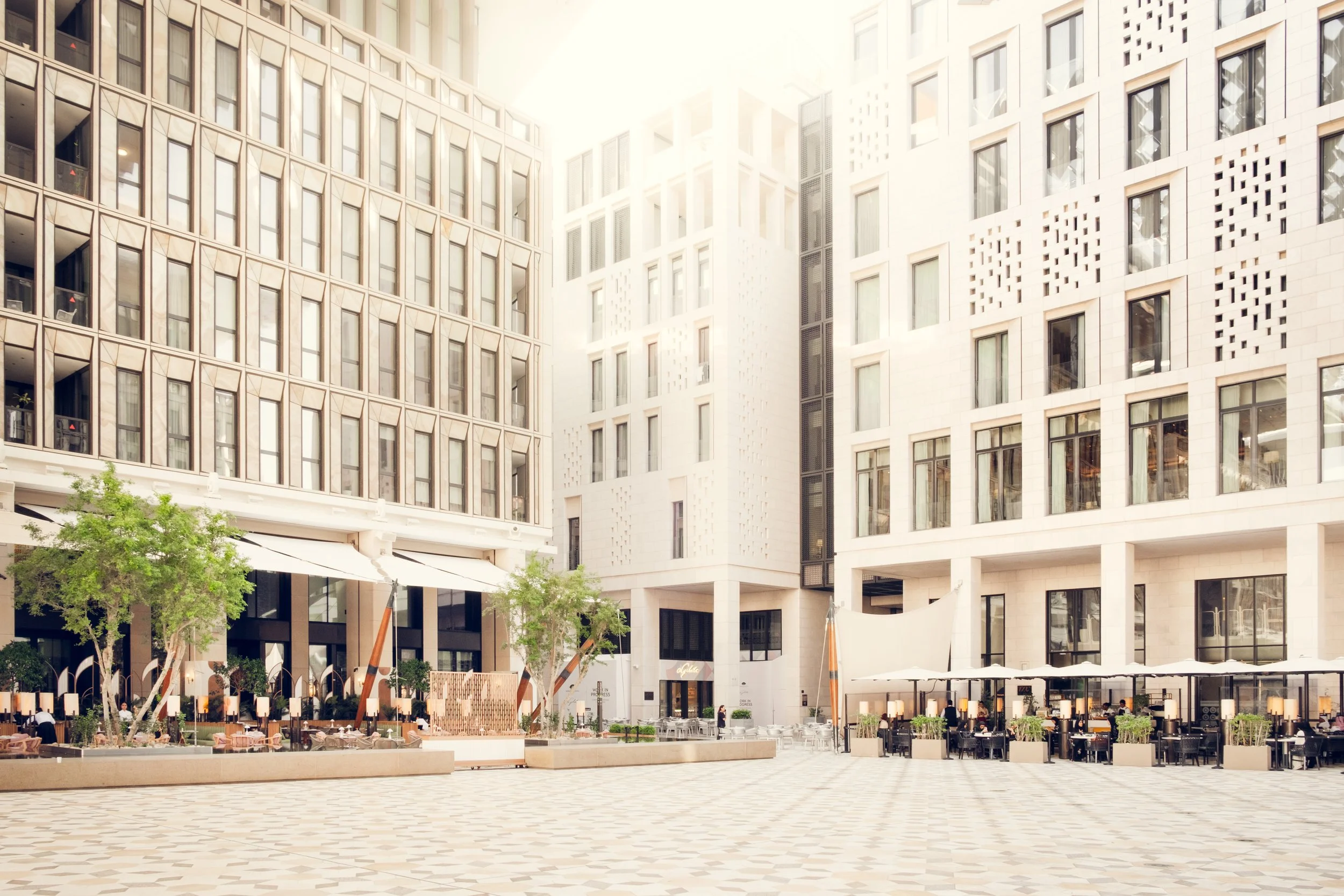
The camera aligns with axes, passages, and transitions defined by the masterplan.
Light in Qatar is direct and uncompromising.
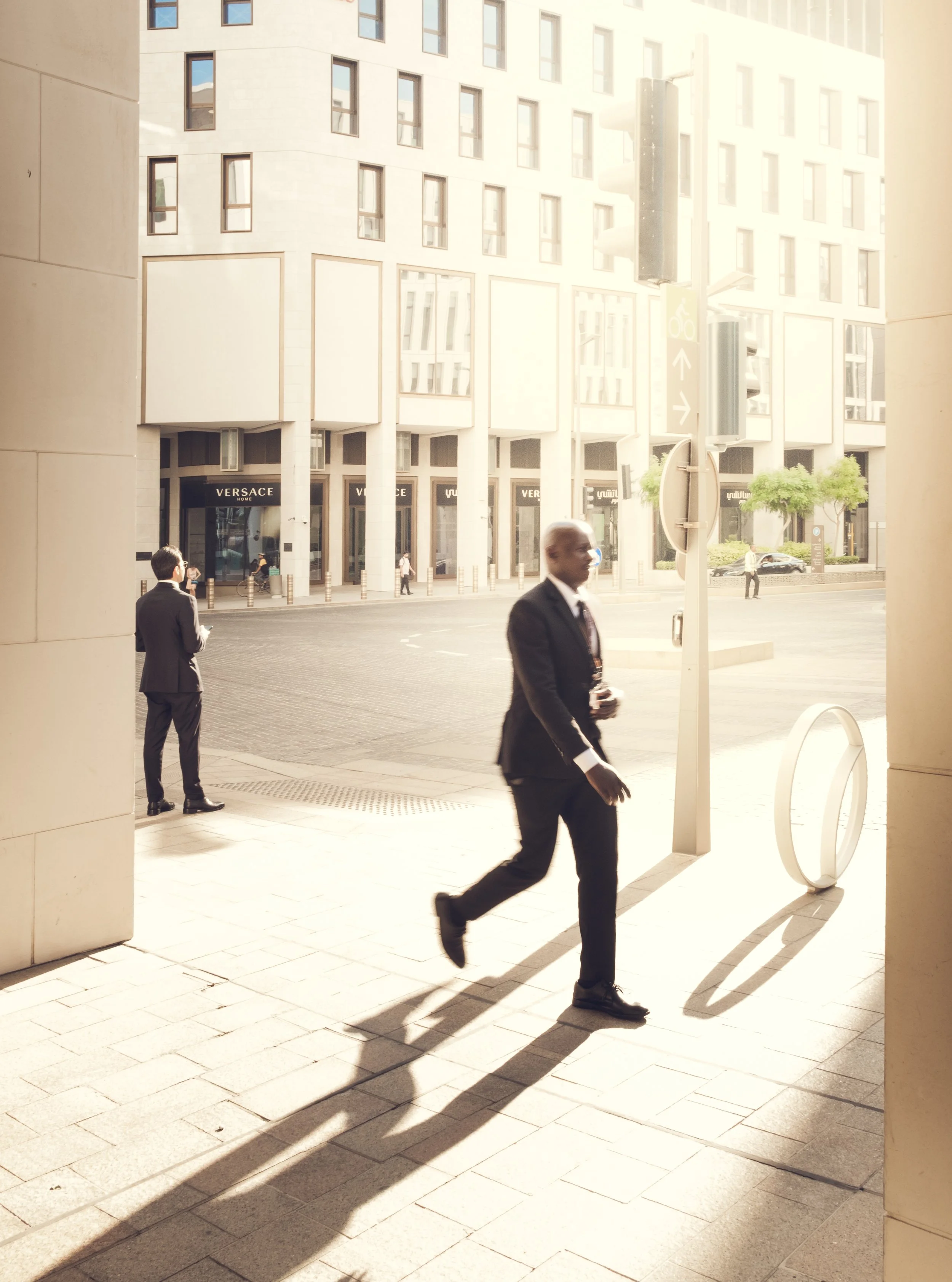
In Msheireb, light becomes an architectural tool.
The images focus on long shadows, sharp contrasts, and the relationship between built volumes and open voids.
Scale and human presence
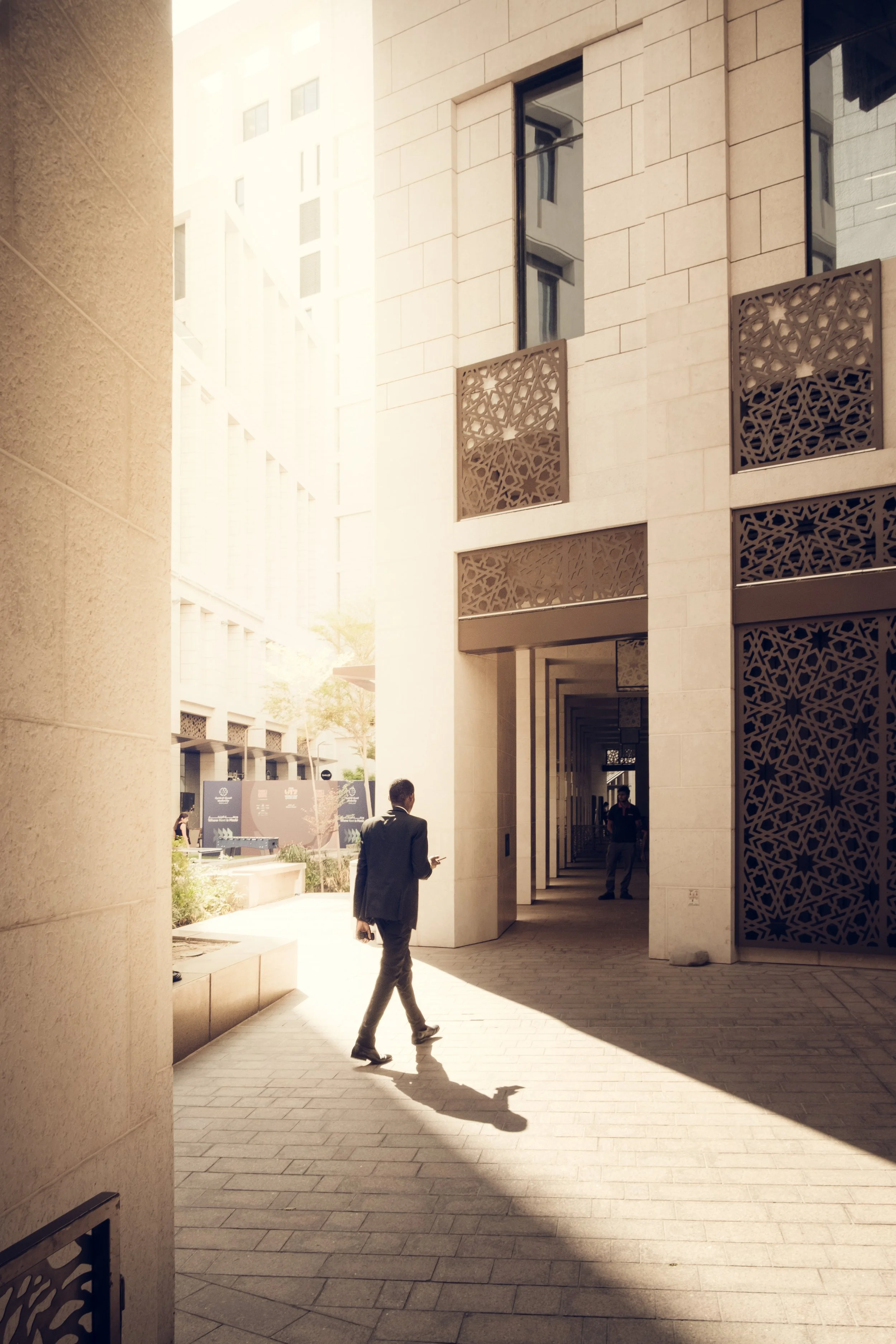
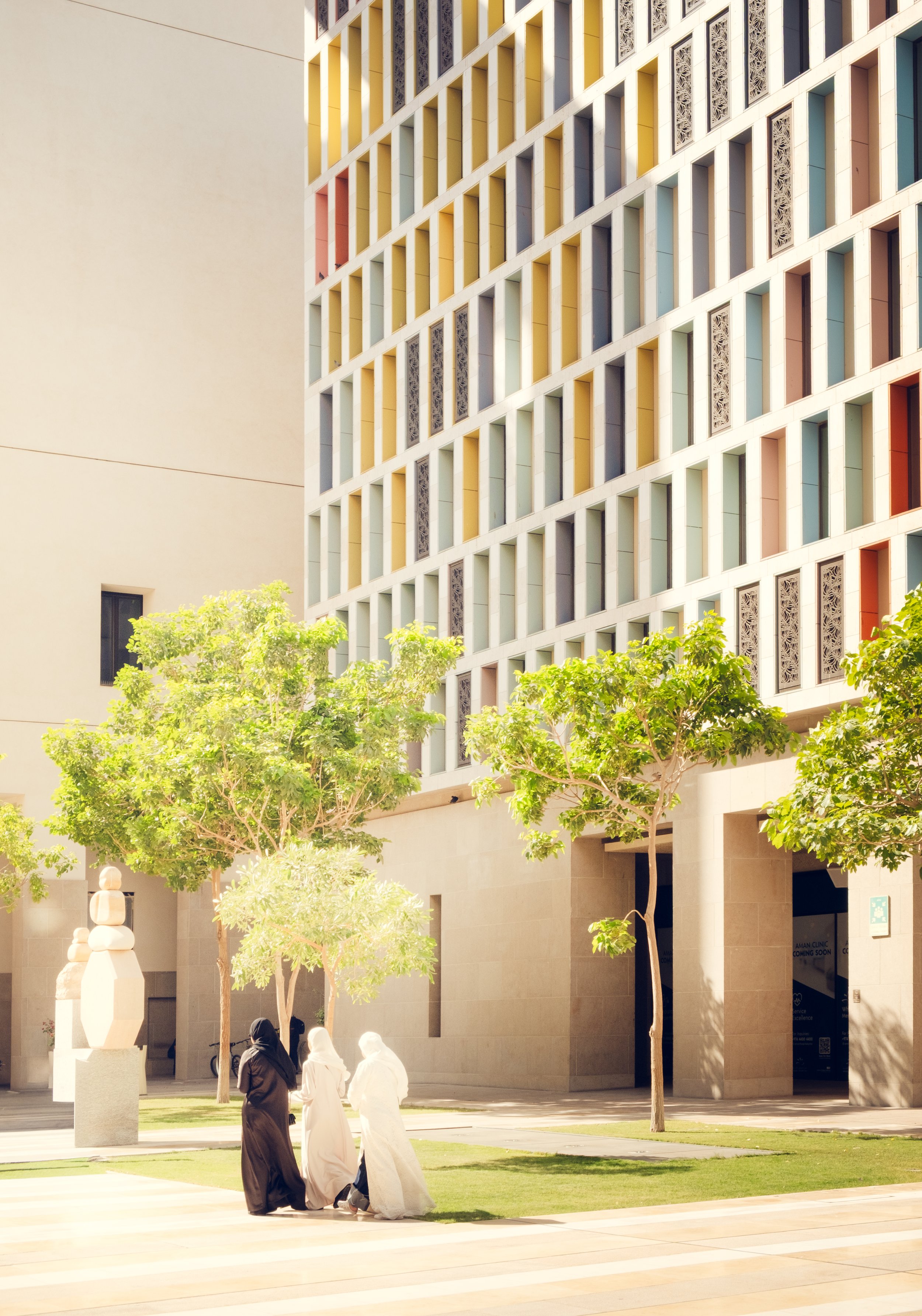
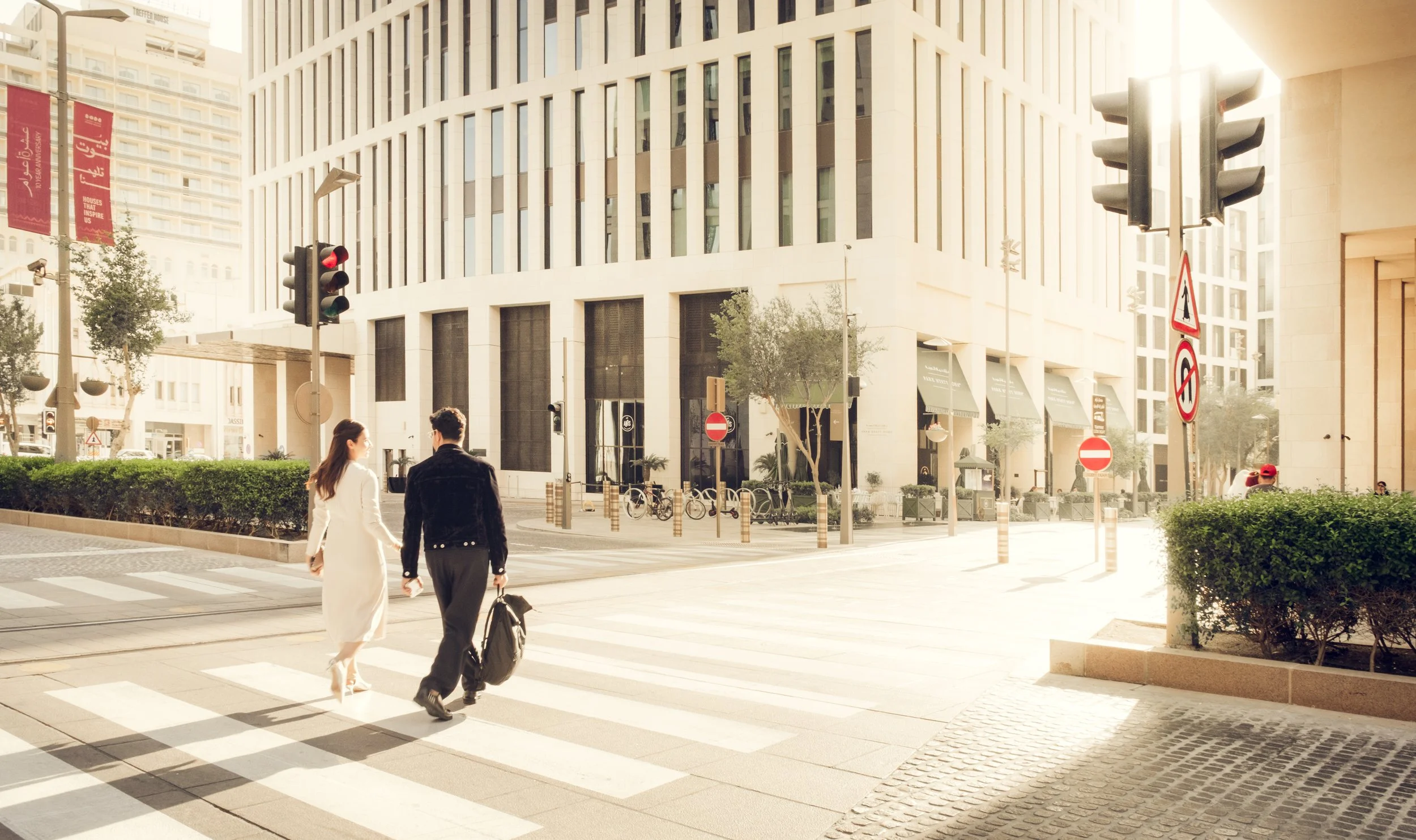
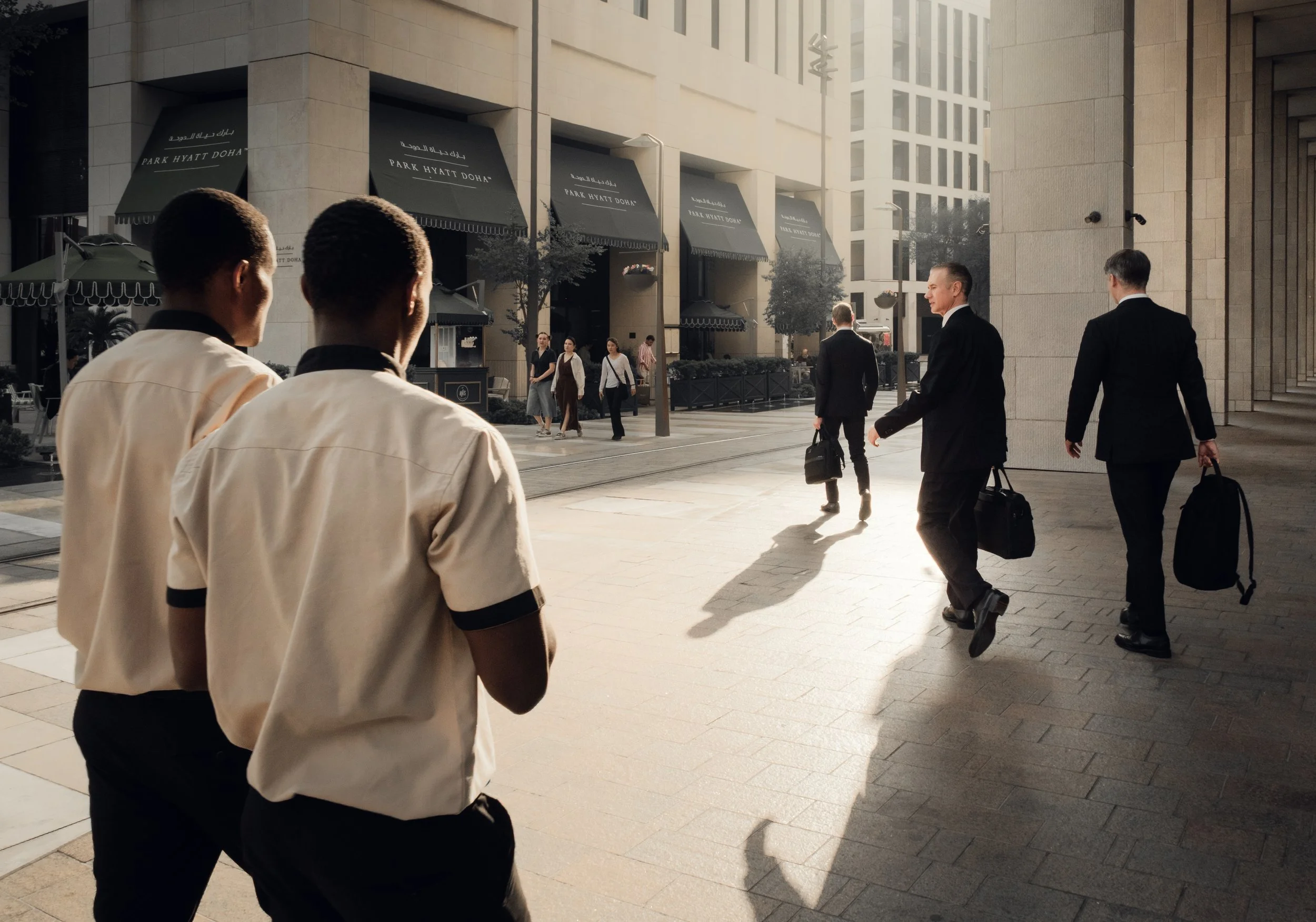
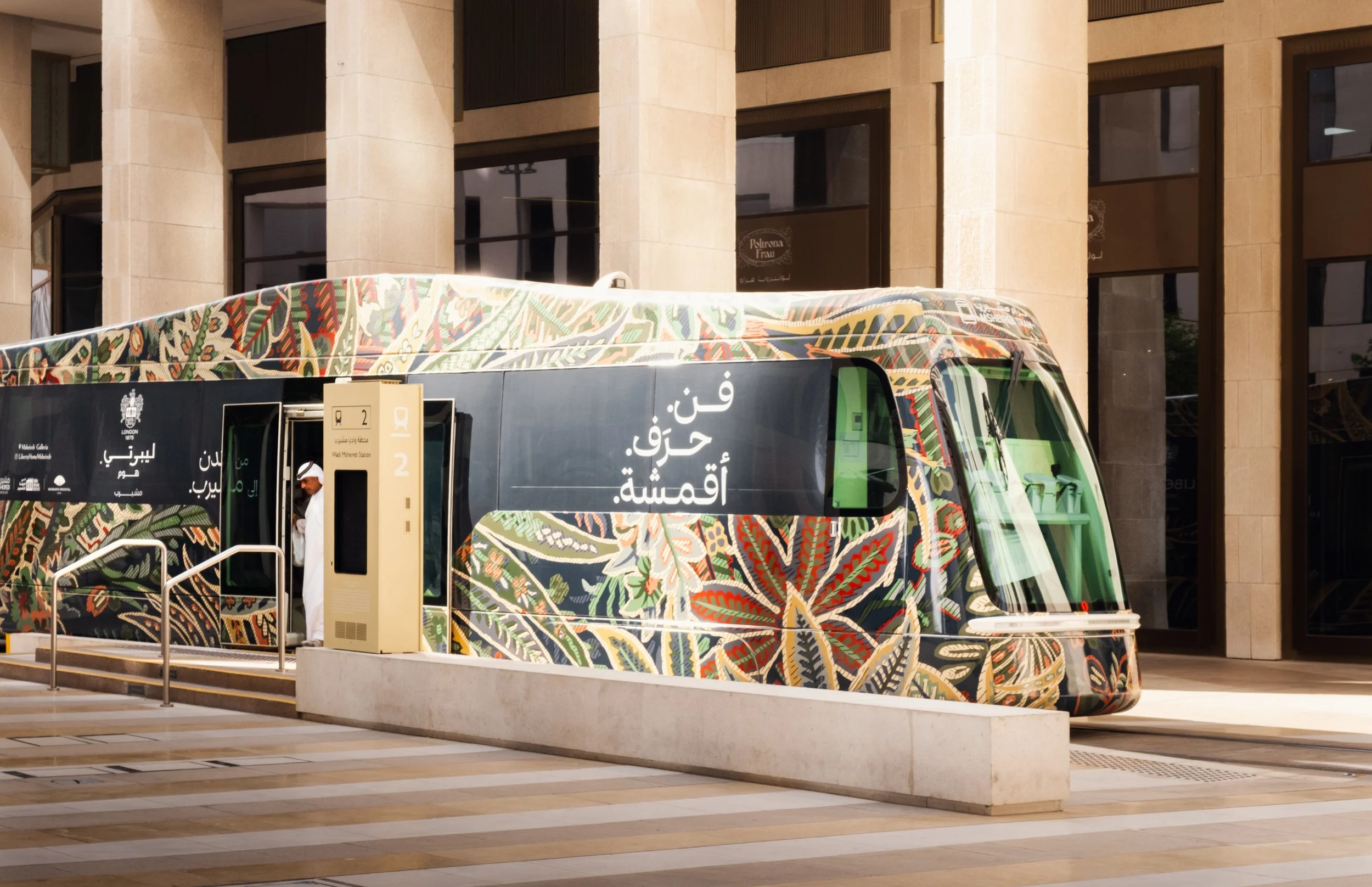
Human presence appears as a measure of scale and function.
People move through the space, cross streets, and occupy transitional areas.
They do not dominate the frame.
Architecture remains the main subject.
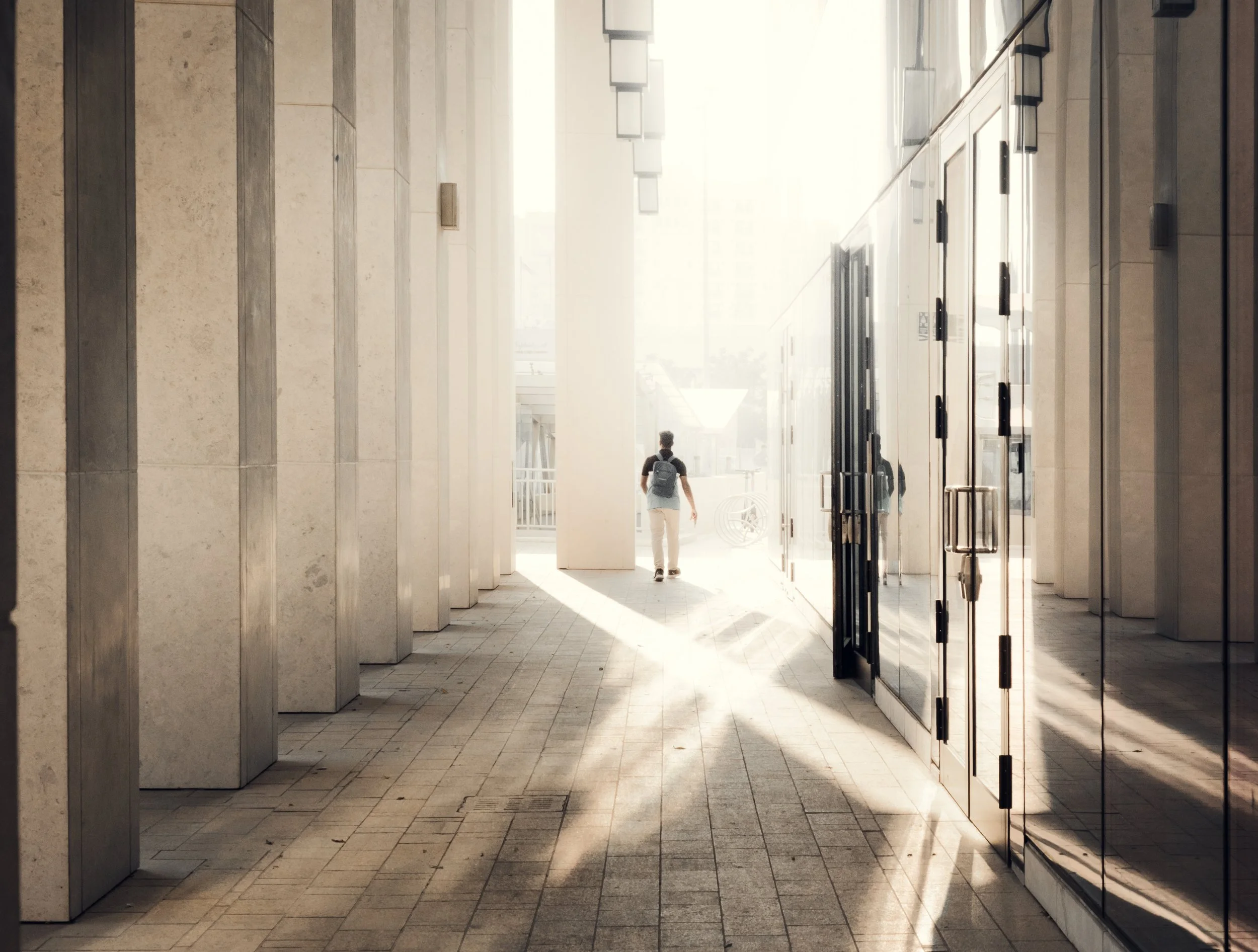
This approach reinforces the reading of Msheireb as a functional urban environment designed for everyday use.
Materials, repetition, and identity
Clear façades, geometric patterns, and subtle variations in texture create visual unity across the district.
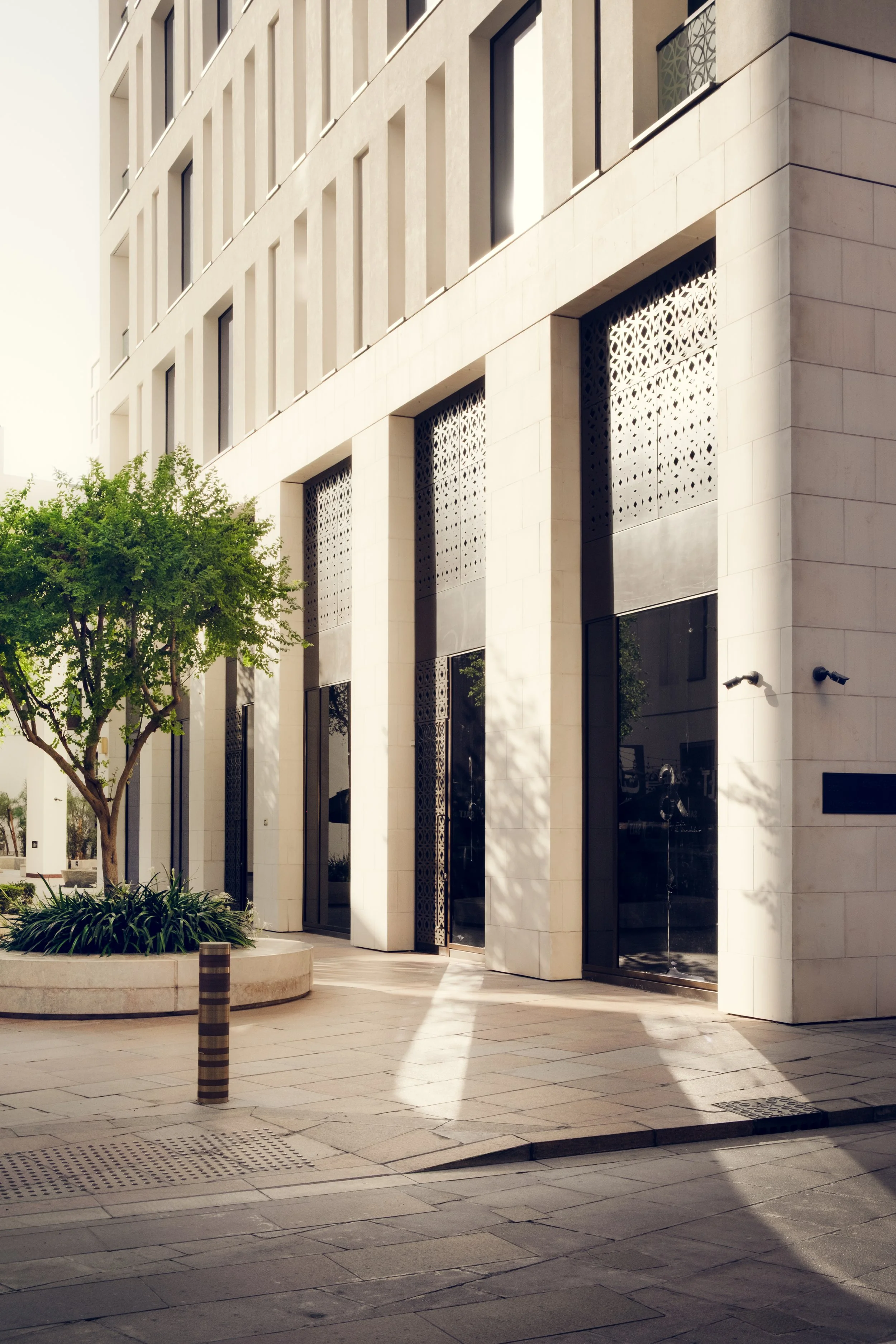
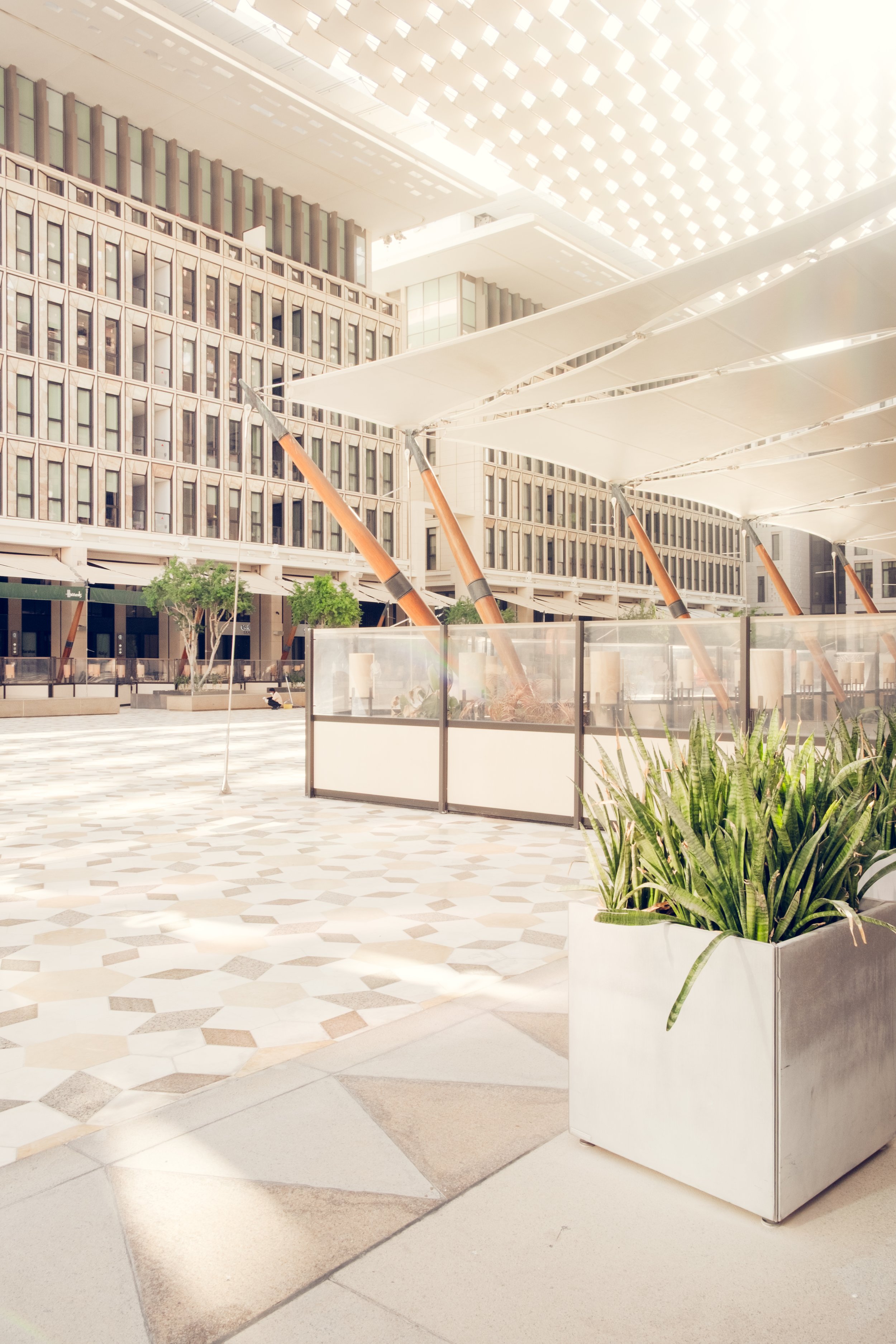
Repetition is a structural element of the design.
It organizes space and strengthens orientation without relying on iconic gestures.
This strategy reflects the intent of the architects involved in the masterplan to create a coherent and legible urban identity.
Architectural reference: https://www.alliesandmorrison.com/projects/msheireb-downtown-doha
Personal reading
As a foreign photographer, Msheireb presents itself as an exercise in urban discipline. Space leads.
Light reveals structure.
Movement follows logic.
Photographing this environment requires attention, alignment, and restraint.
The work becomes an act of reading the system rather than searching for visual exceptions.
This case study does not document isolated buildings.
It observes an urban organism.
Each street prepares the next.
Each shadow guides movement.
The photographs record the continuous relationship between architecture, climate, and real use within a contemporary urban project designed for long term relevance.
If you’re an architect or designer in Doha and want your space photographed, get in touch here →/contact
See my full Doha architecture portfolio →
For Architects →
Read more stories →